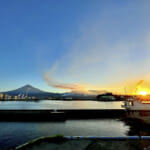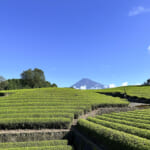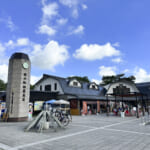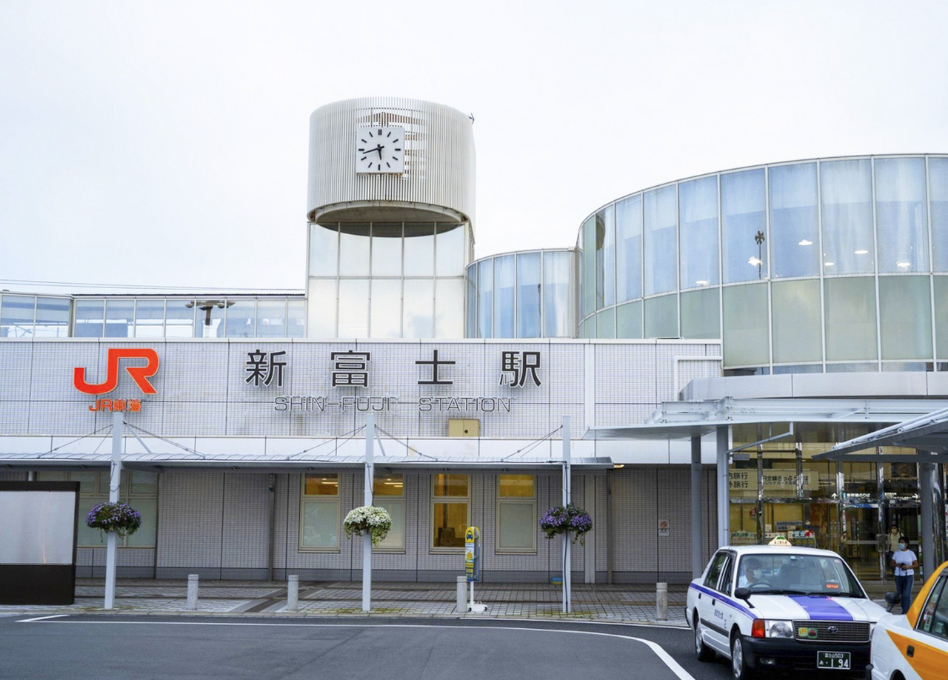
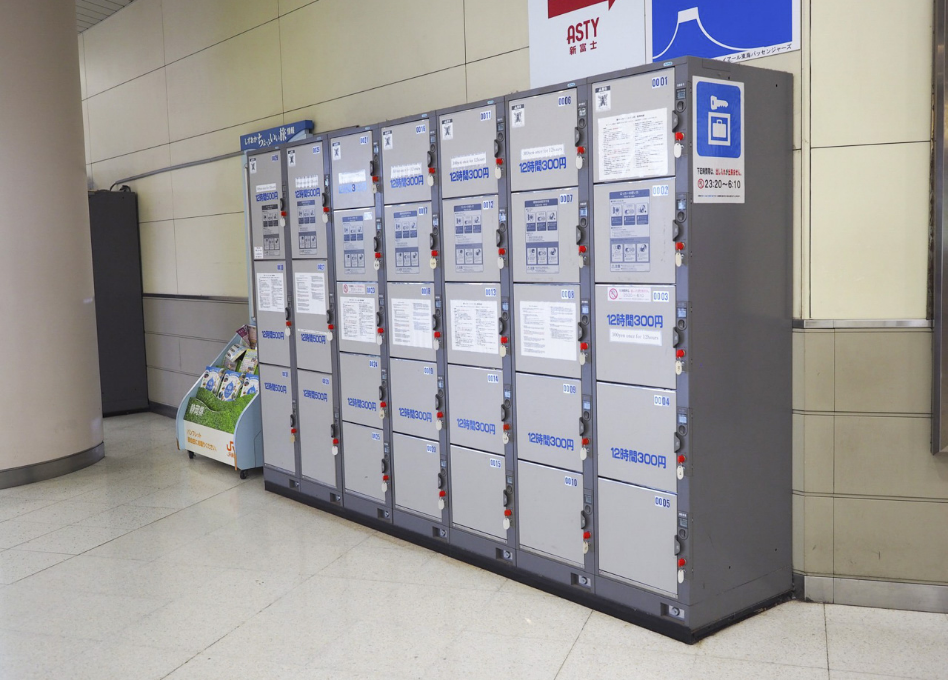
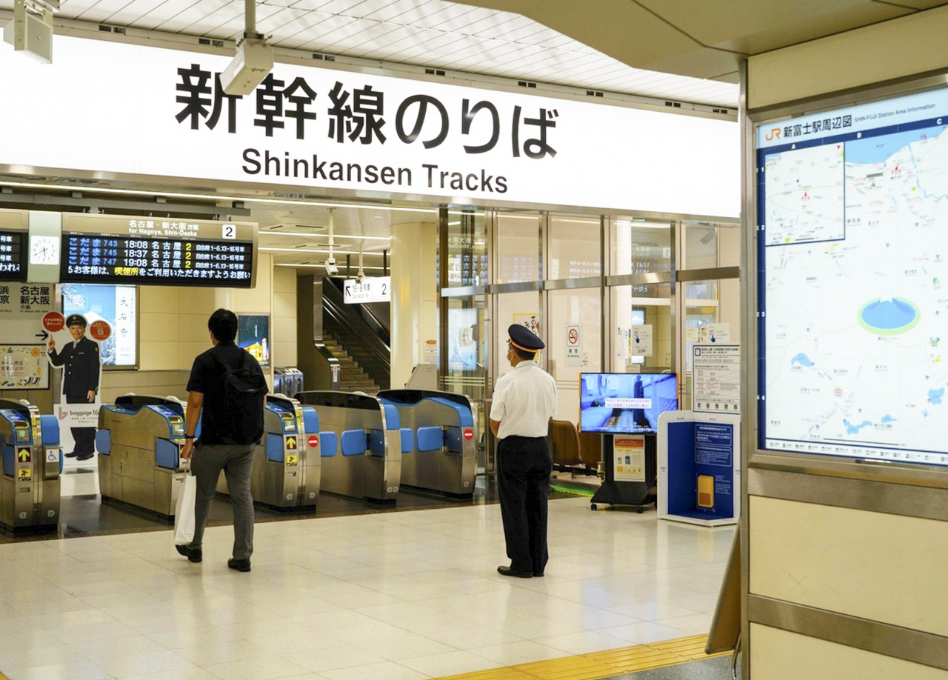
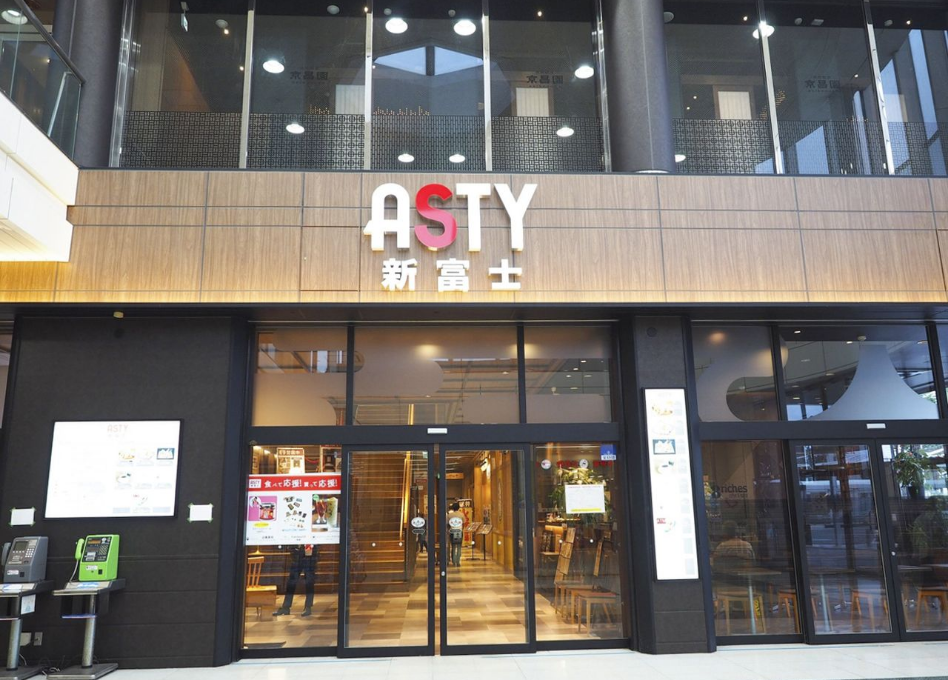

Shin-Fuji Station is located in Kawanarijima, Fuji City, Shizuoka, serving as a station for JR Tokaido-Sanyo Shinkansen. Positioned just south of Mt.Fuji, it offers a panoramic view of the mountain. Operating hours: 6:10–23:20 (Ticket office)
Fuji World Heritage & Shrines
Explore all World Heritage-related facilities in Fuji City and Fujinomiya City in one time. Don't forget to savour the local good cheap food - "Fujinomiya Yakisoba"!
JR Shin-Fuji Station
27
min

Mt.Fuji World Heritage Center, Shizuoka

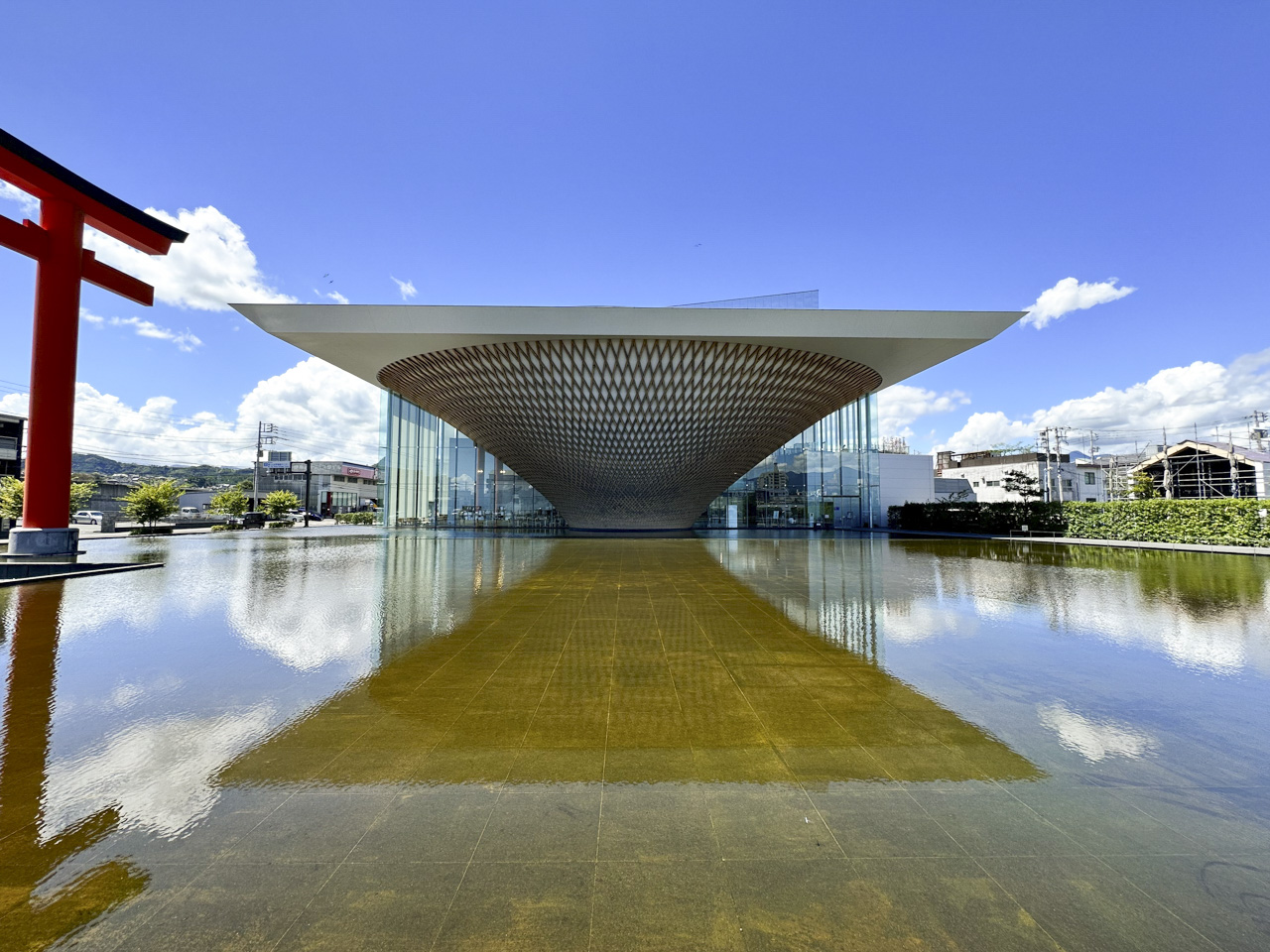
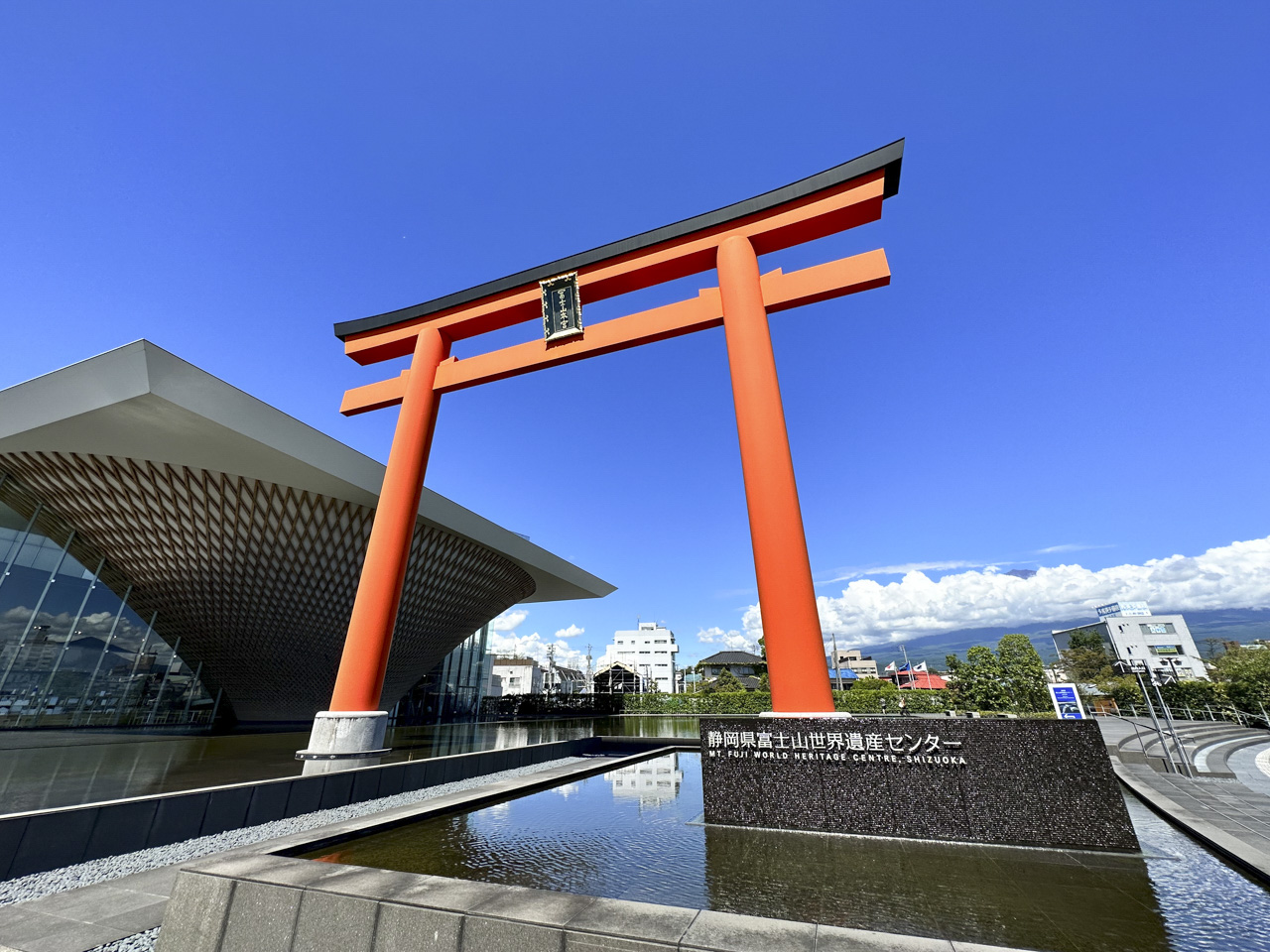
Designed by renowned architect Mr. Shigeru Ban, it conveys the value of World Heritage-Mt.Fuji clearly to visitors all over the world. It also serves as a hub for conservation and research, with three buildings including a unique inverted cone-shaped Exhibition Hall covered with intersecting wooden strips. Visitors can simulate climbing Mt.Fuji inside. Open: 9:00–17:00 (Jul–Aug: 8:30~18:00 / Dec–Feb: 9:00–16:30). Closed: South Wing (every 4th TUE of the month).
2
min
Fujisan Hongu Sengen Taisha Shrine
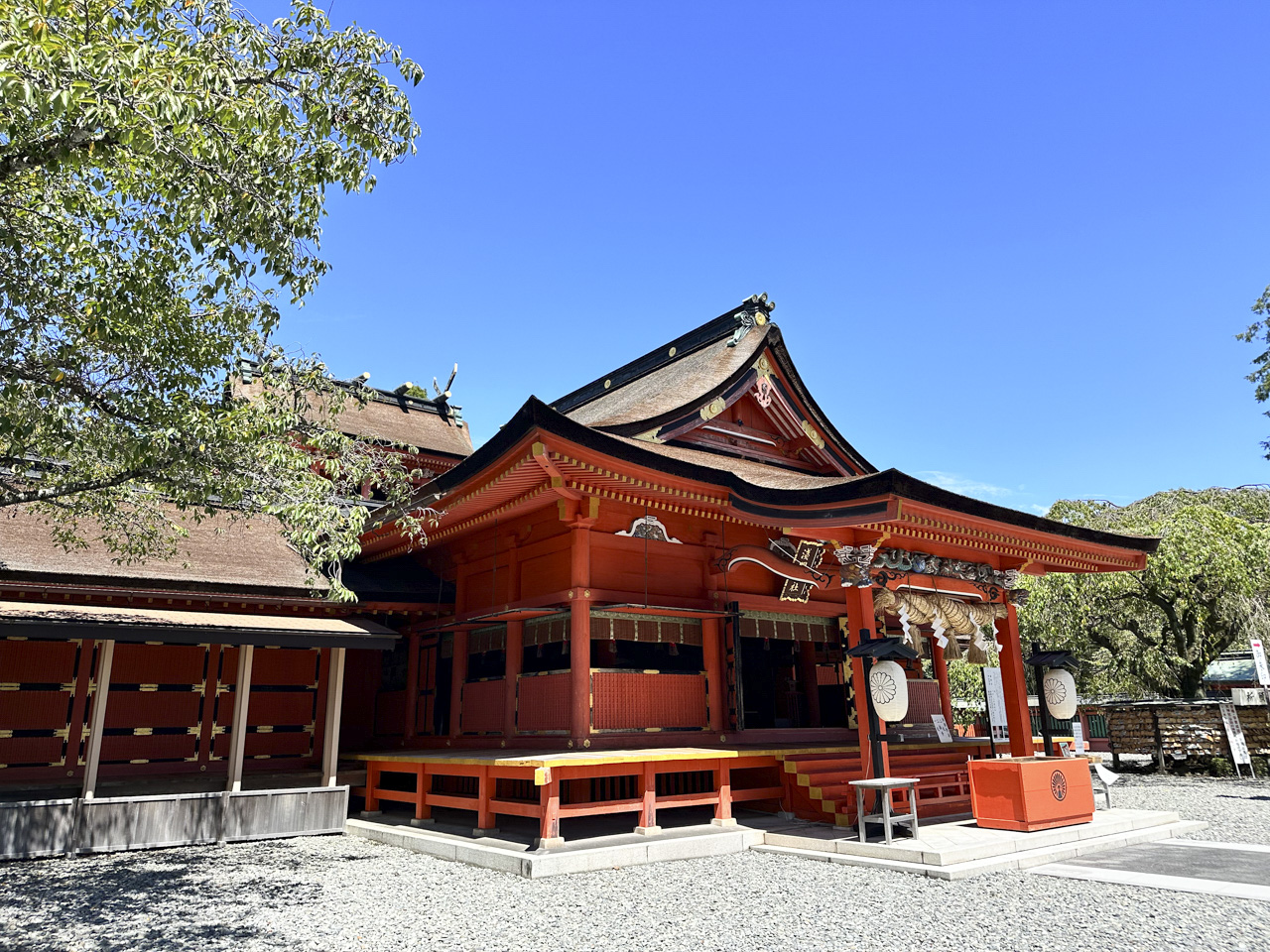

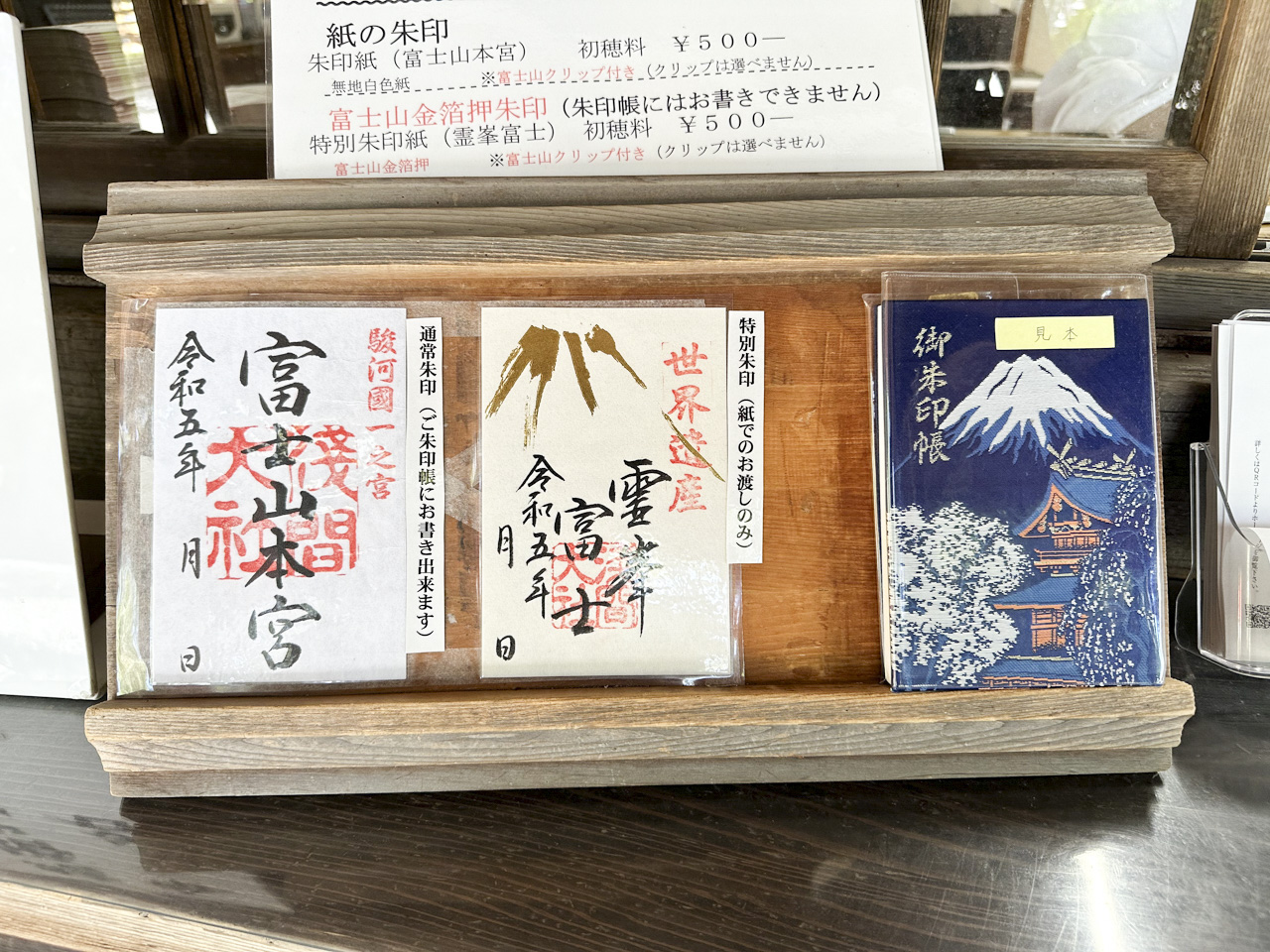
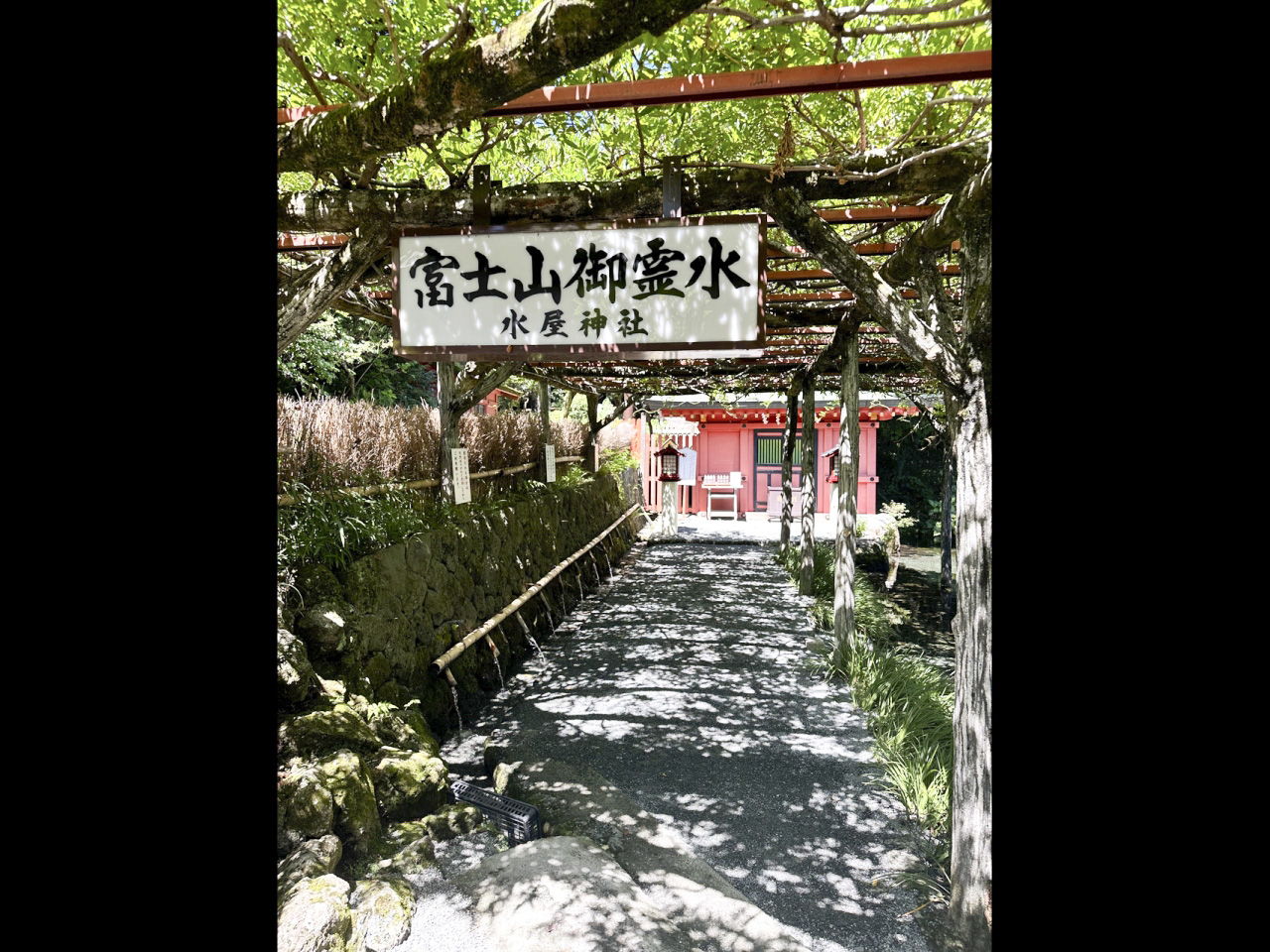
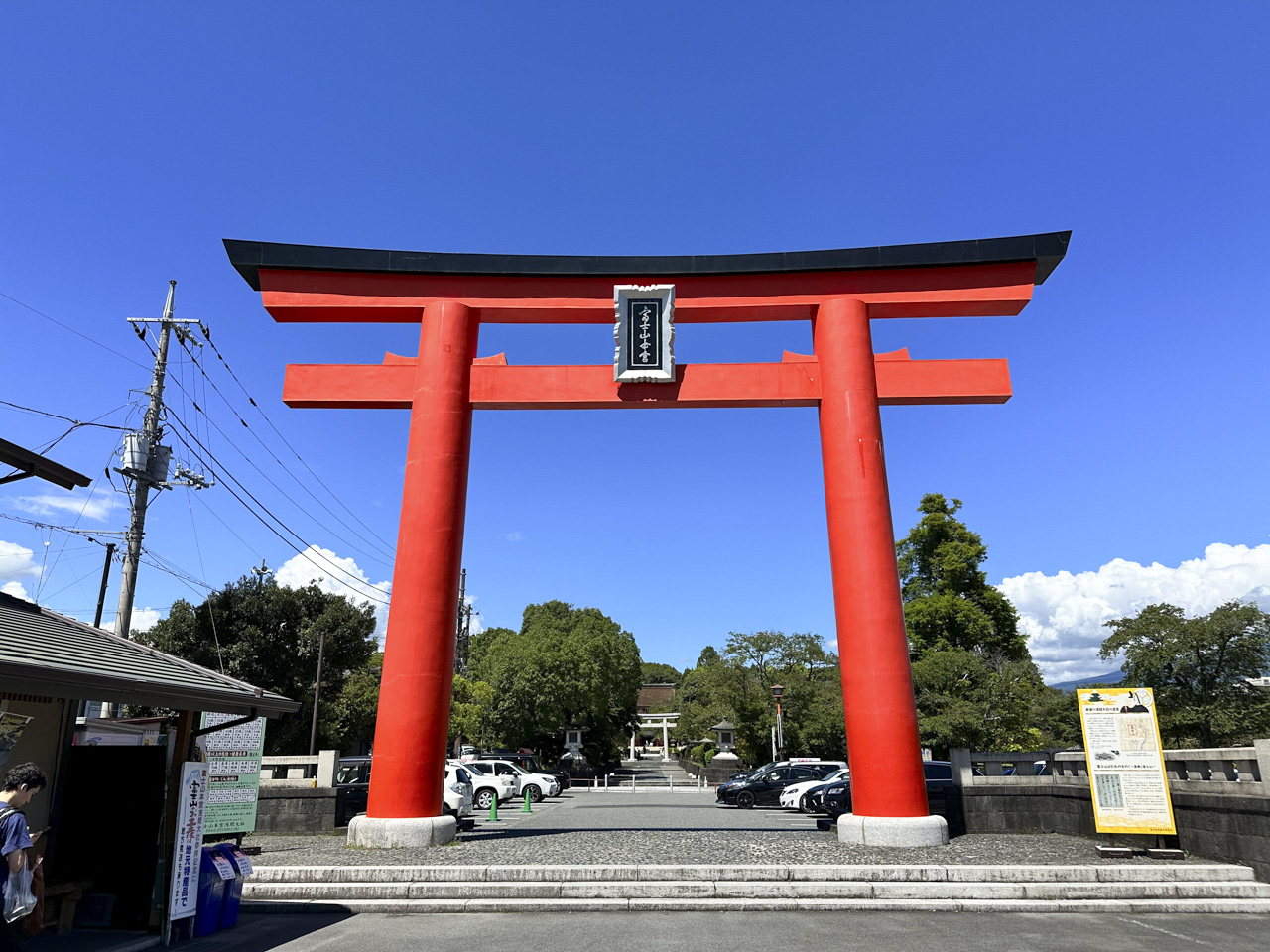
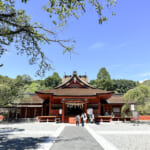
Located in Fujinomiya City, listed in the sacerdotal code established during the Engi period (901-923), was the most important shrine in the Suruga region. Originally designated as an imperial grand shrine and is currently recognized as a special-listed shrine by the Association of Shinto Shrines. The family name of Shinto priests is Fuji. It is the head shrine for more than 1,300 Sengen shrines throughout Japan.
7
min
URUOITEI (Main Store)
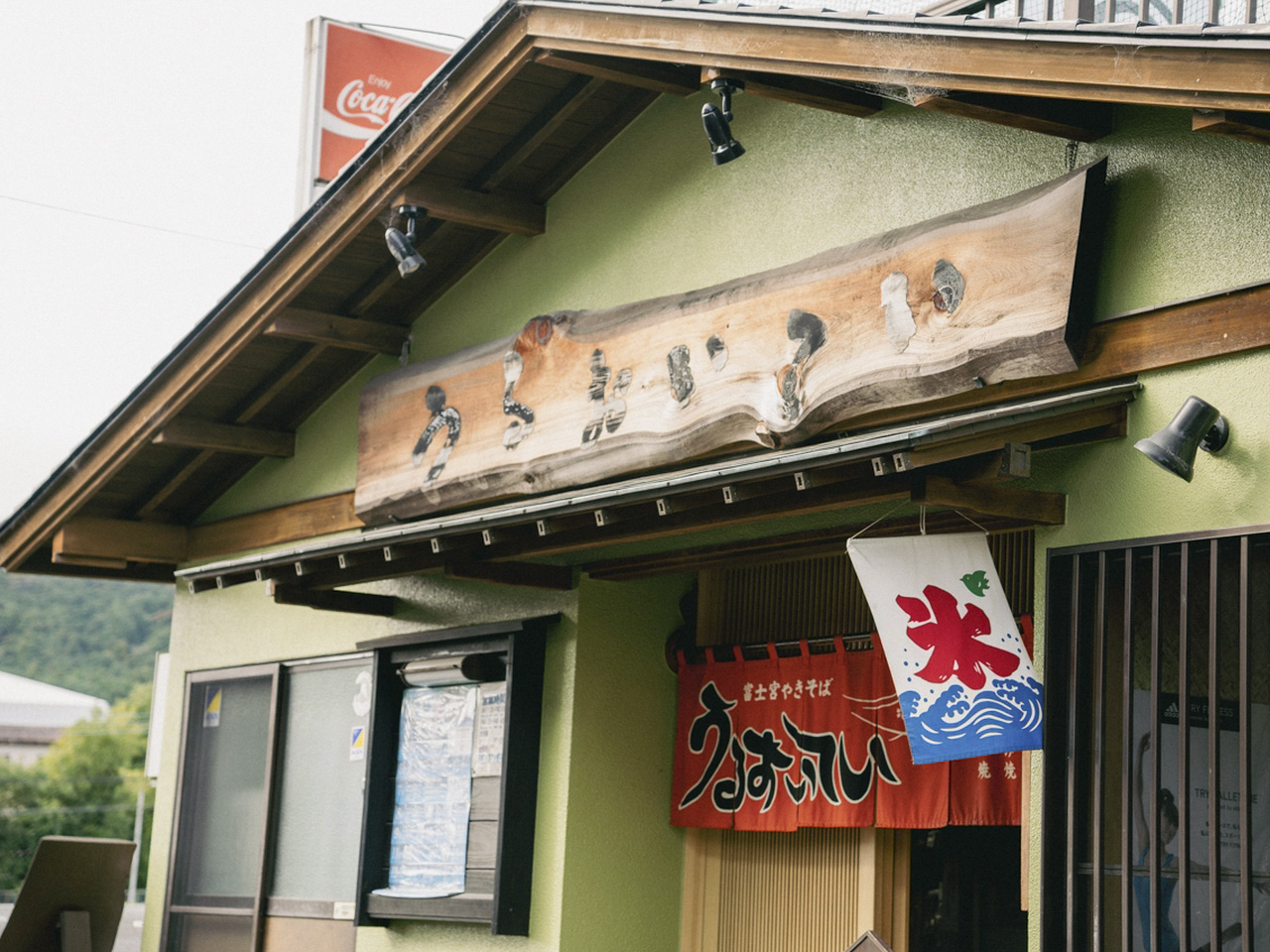

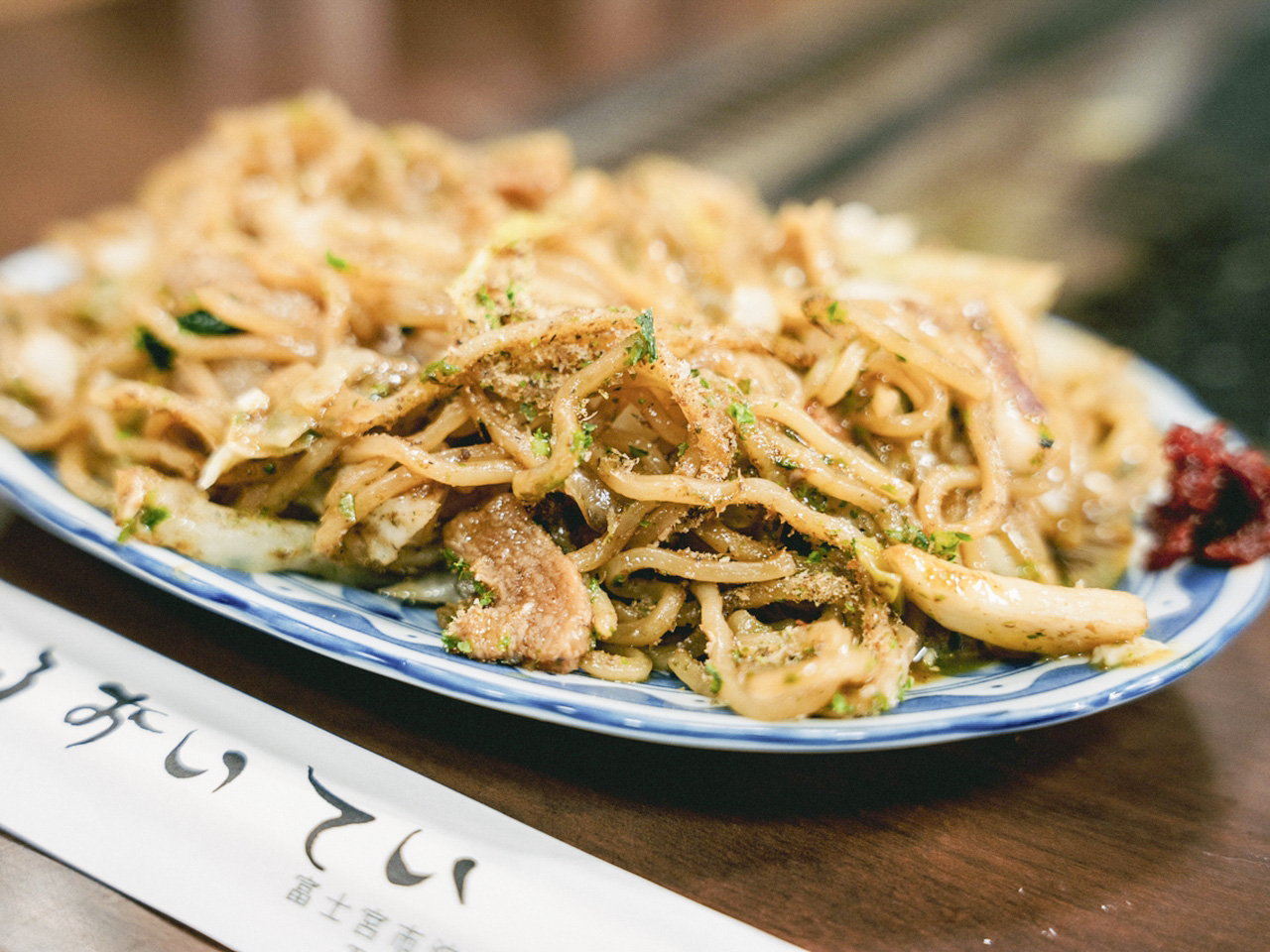


Located in Fujinomiya City, listed in the sacerdotal code established during the Engi period (901-923), was the most important shrine in the Suruga region. Originally designated as an imperial grand shrine and is currently recognized as a special-listed shrine by the Association of Shinto Shrines. The family name of Shinto priests is Fuji. It is the head shrine for more than 1,300 Sengen shrines throughout Japan.
16
min
Shiraito Falls
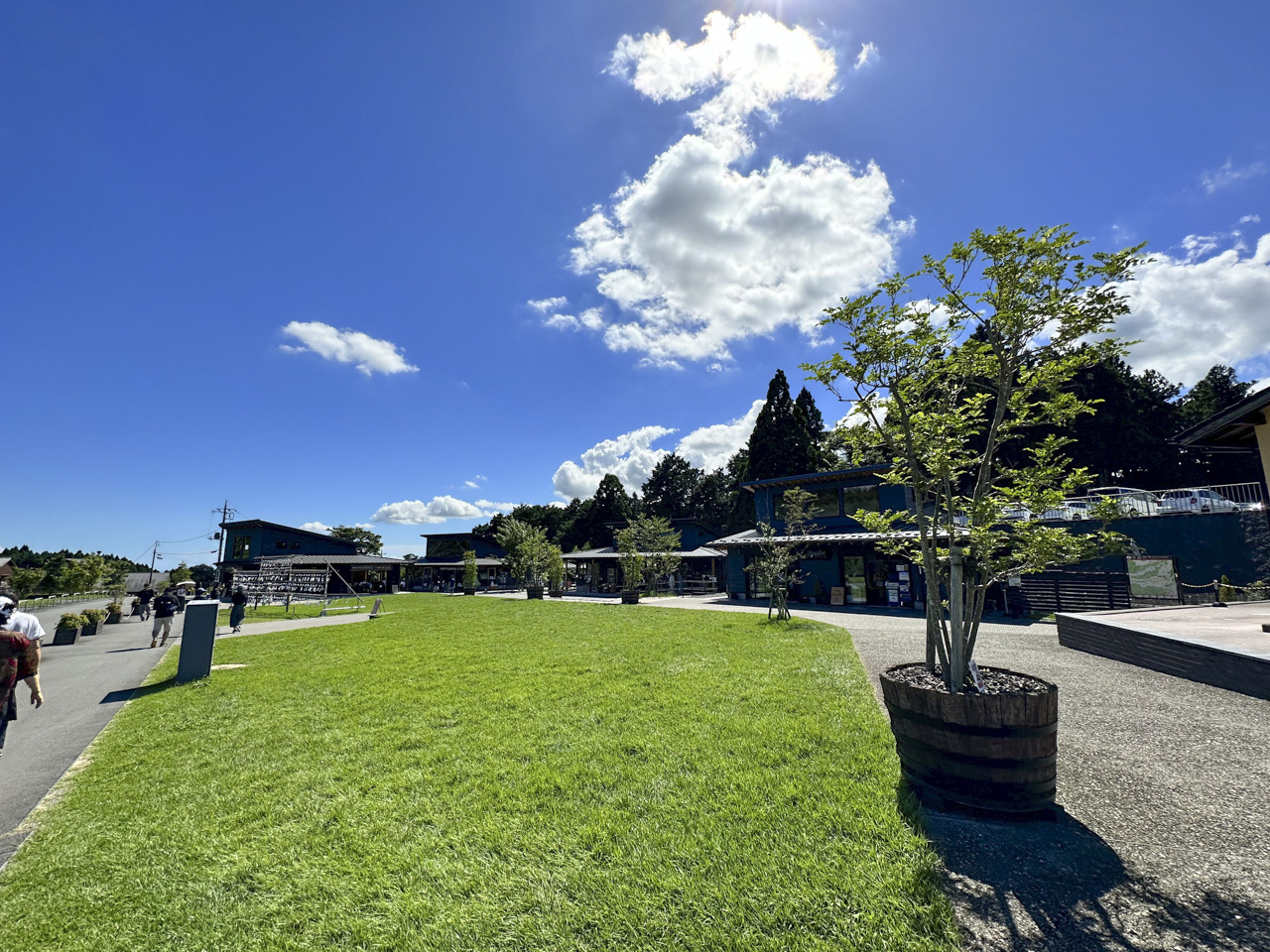
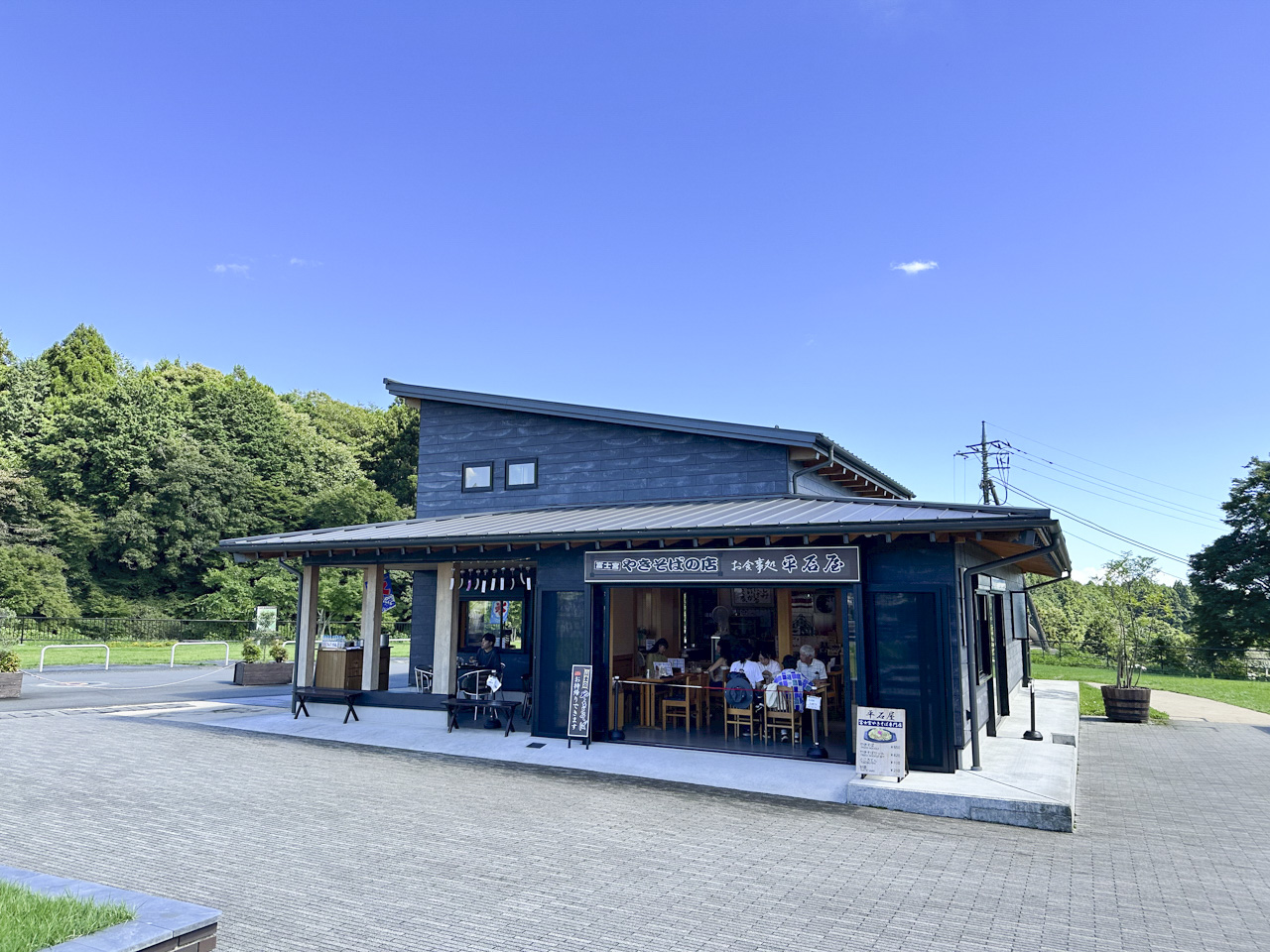
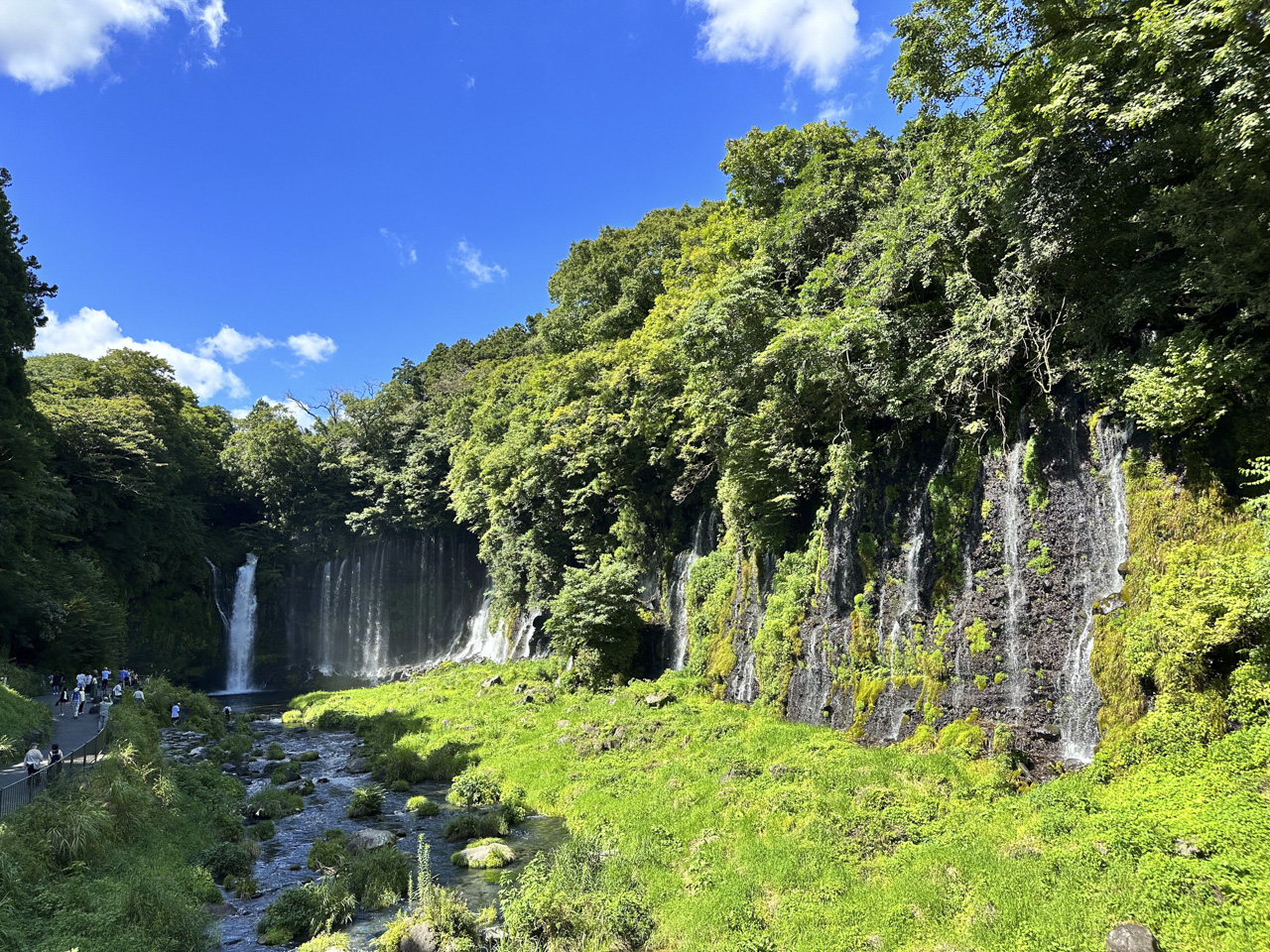
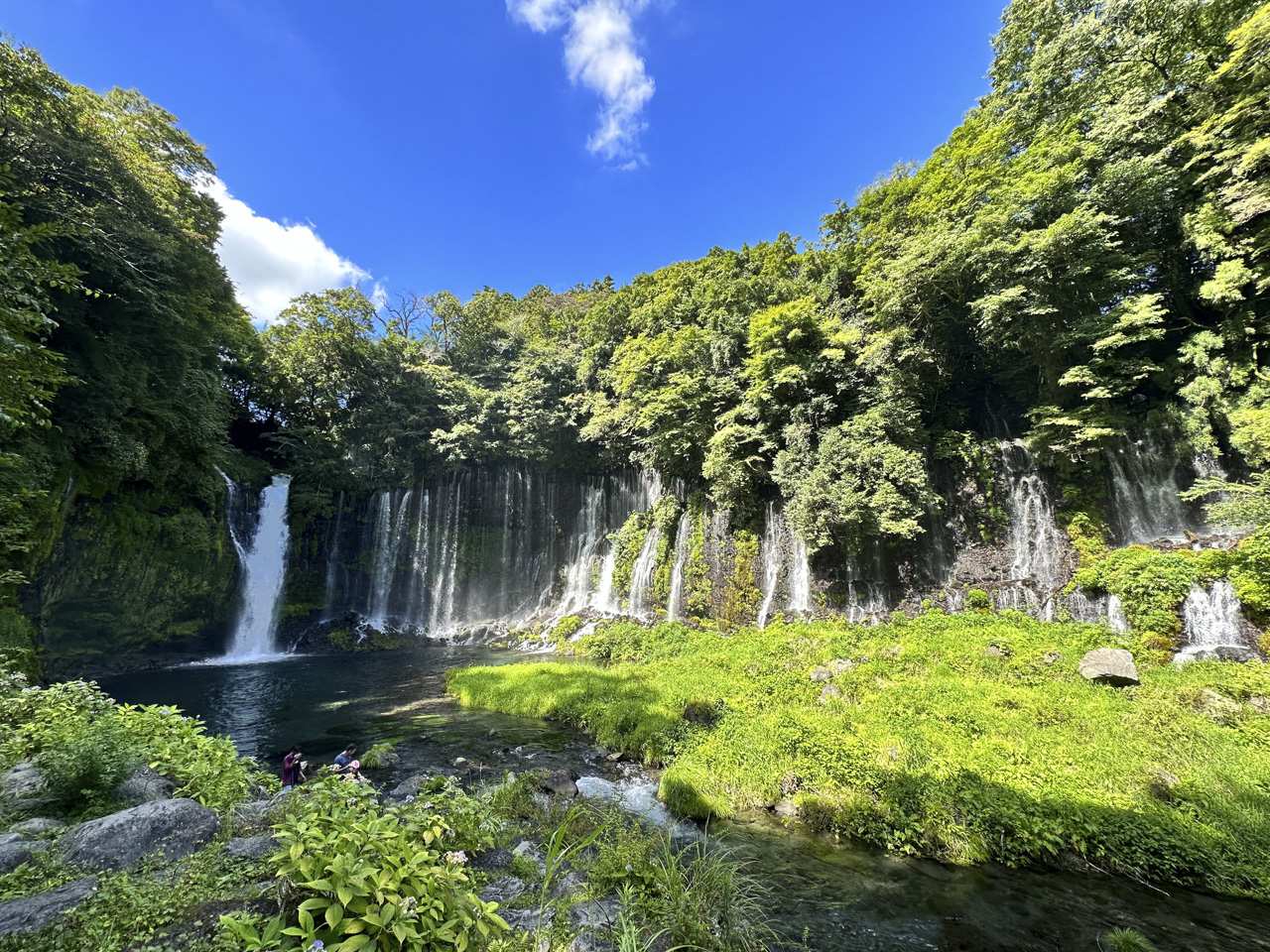
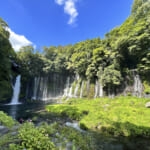
Located within the lush landscapes of the Fuji-Hakone-Izu National Park, this expansive waterfall offers a unique natural setting. Visitors can enjoy the enchanting view of a waterfall formed by the melting snow from Mt.Fuji. Chance to capture a stunning photo with Mt.Fuji and the waterfall if climbing to the observation deck. Open: 7:00–18:00. Parking: ○ (Fee: 500 JPY)
8
min
Hitoana Sengen Shrine
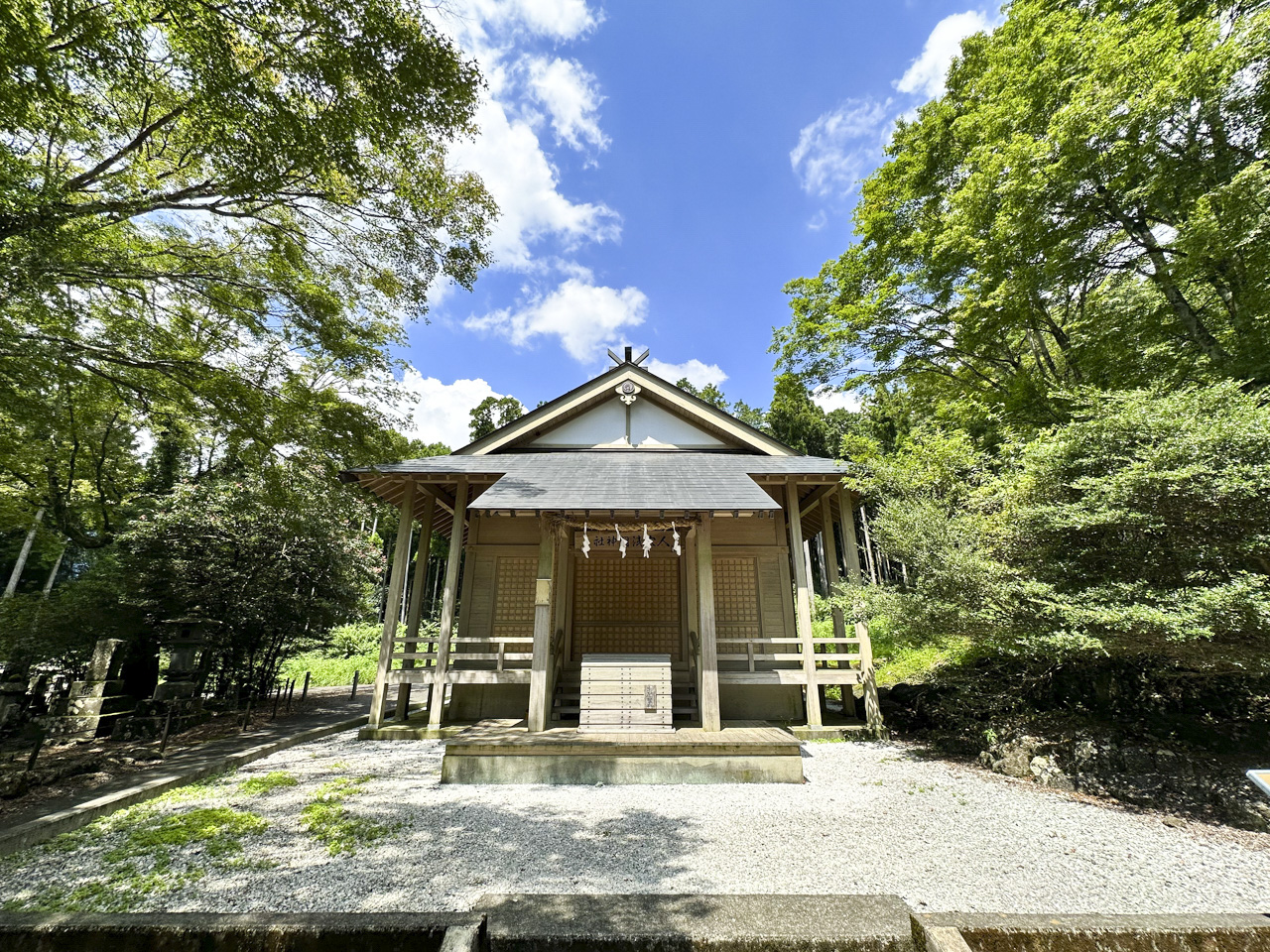
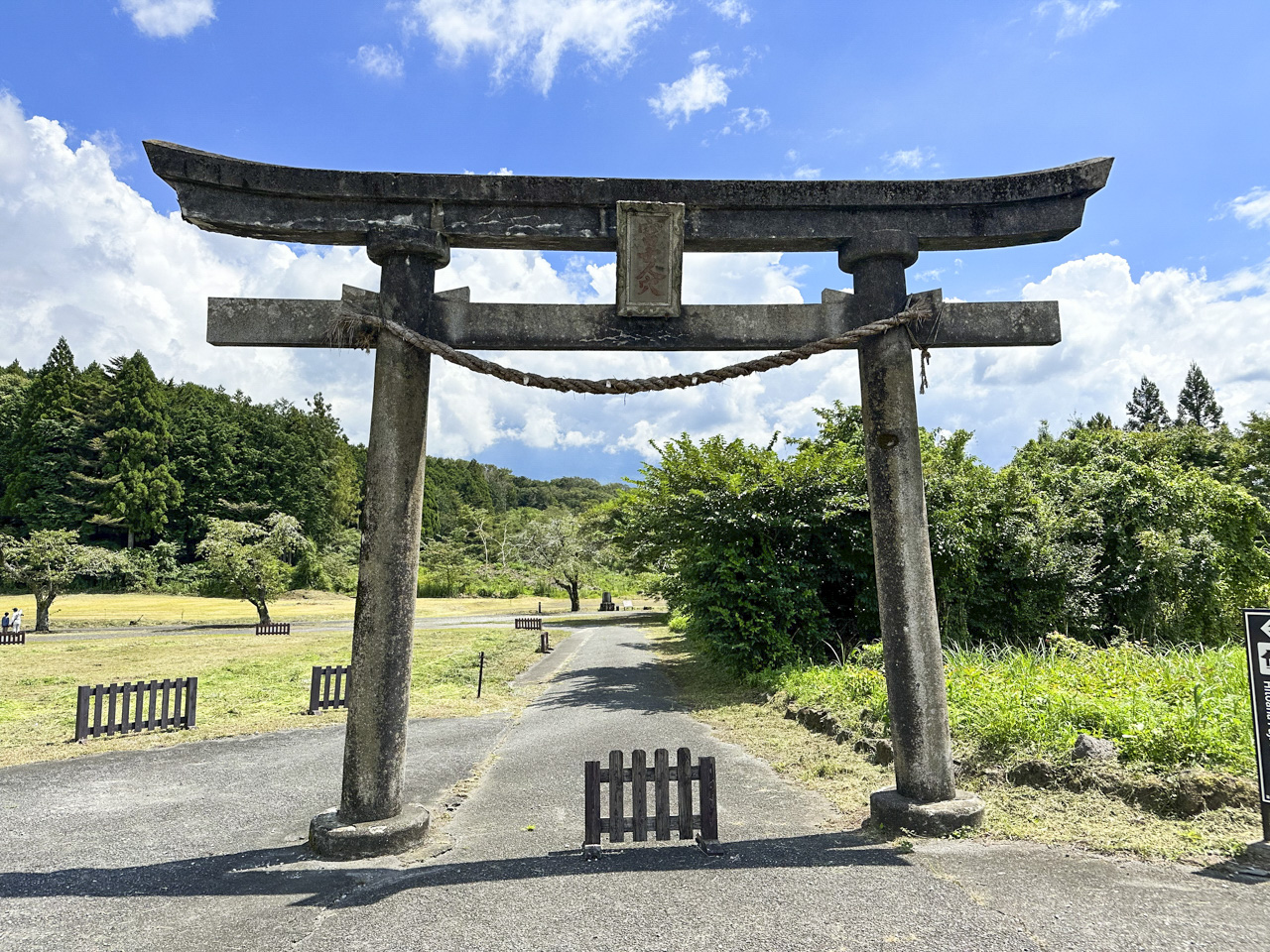
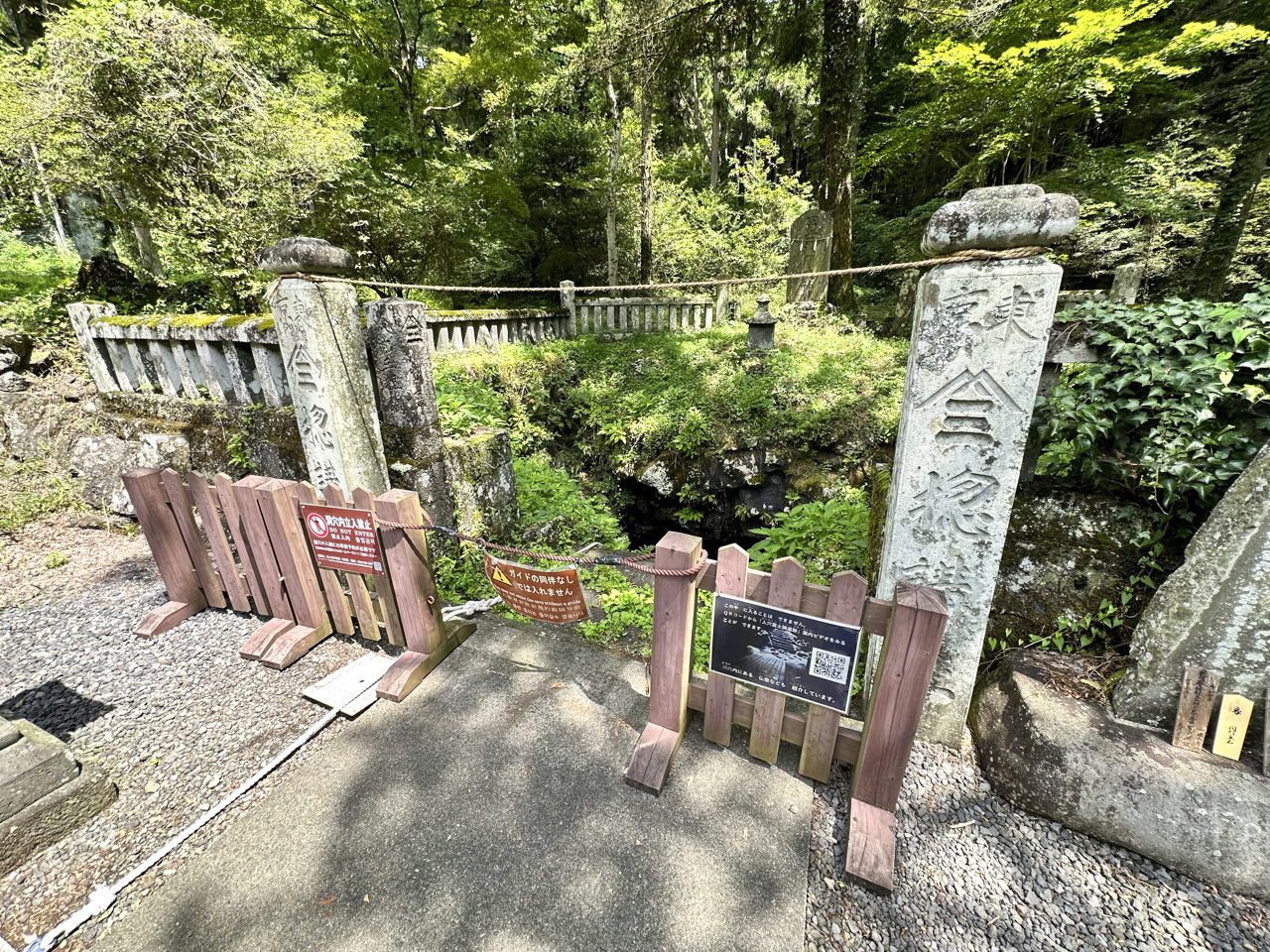
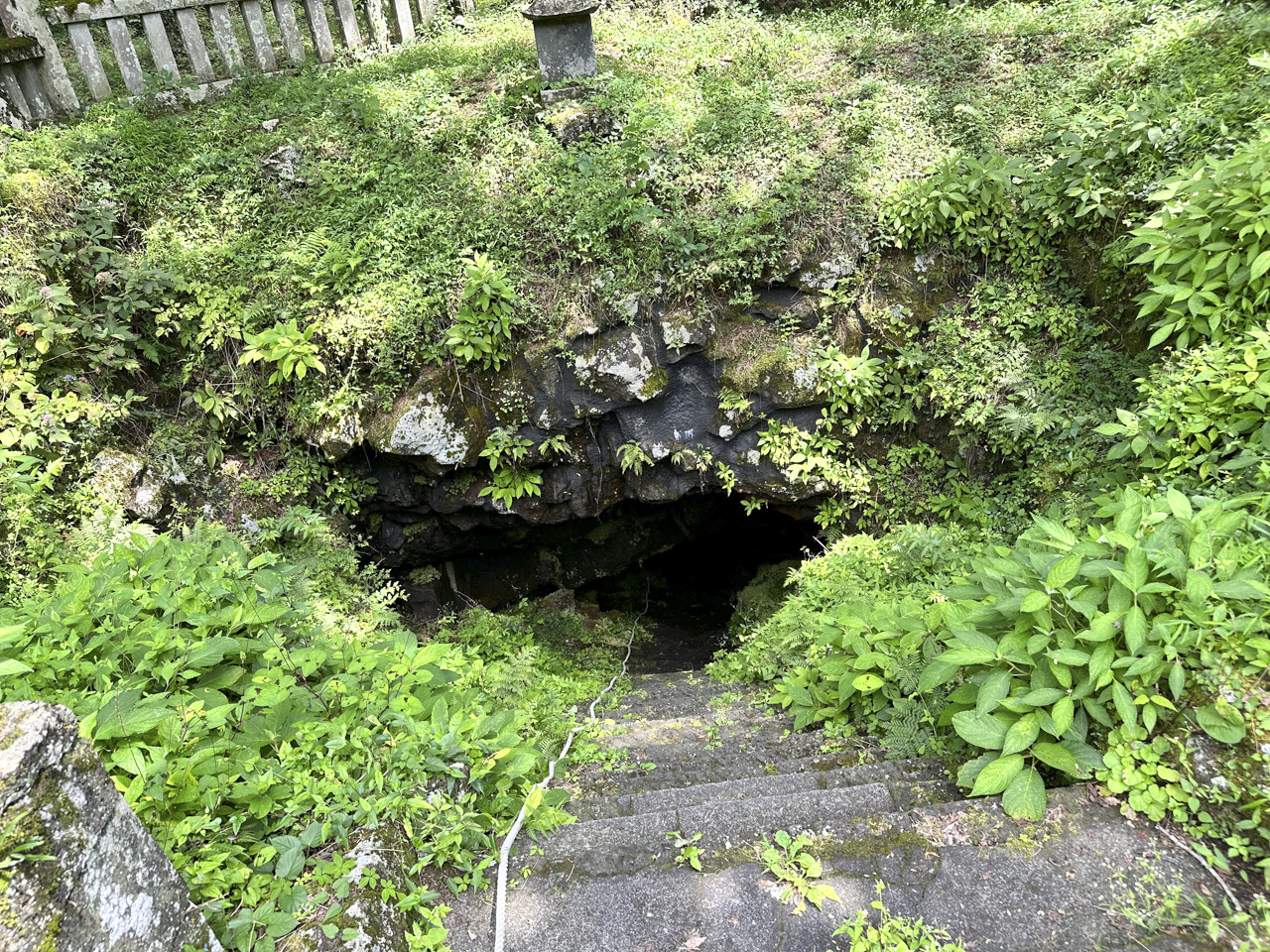
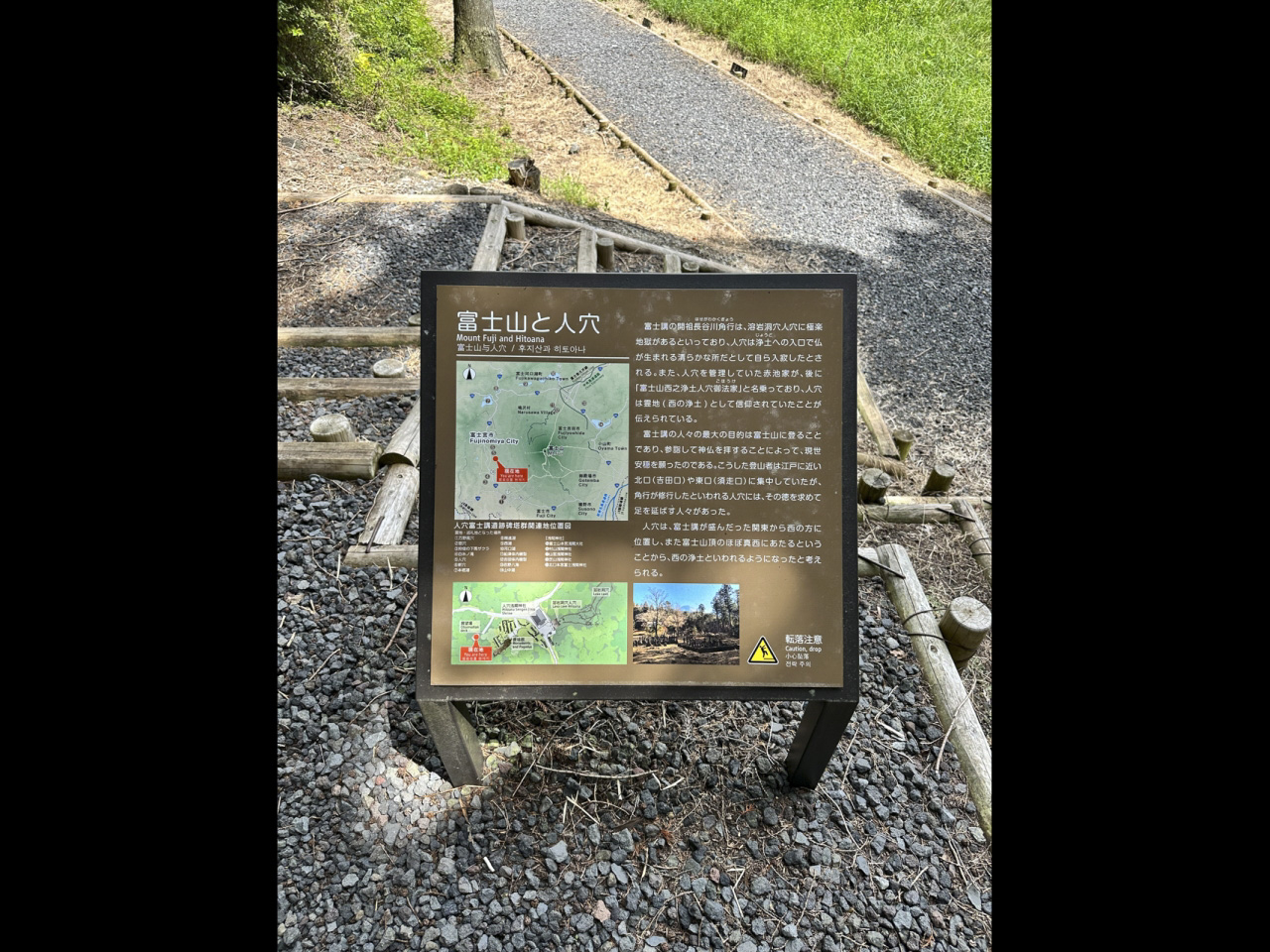
Once the site of 'Komyoji Dainichido', was abolished due to the separation of Shinto and Buddhism. The shrine was then established at this location. Hitoana Fujiko Remains allows exploration of the mountain faith of Mt.Fuji, the information center opens only on weekends and holidays (10:00-15:00). During opening hours, introductions are provided by Mt.Fuji World Heritage guides. Closed: 12/29-1/3.
18
min
Yamamiya Sengen Shrine
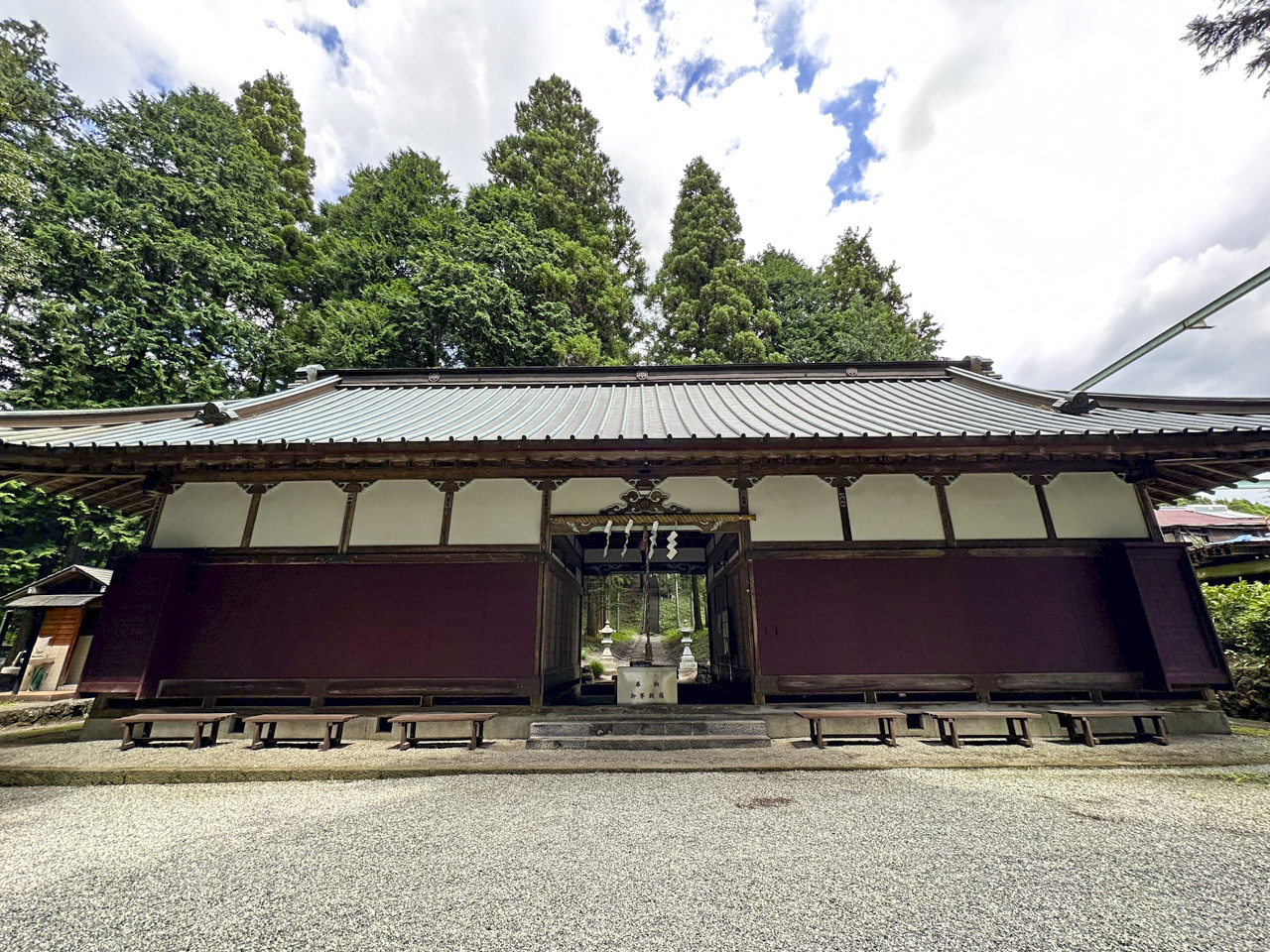
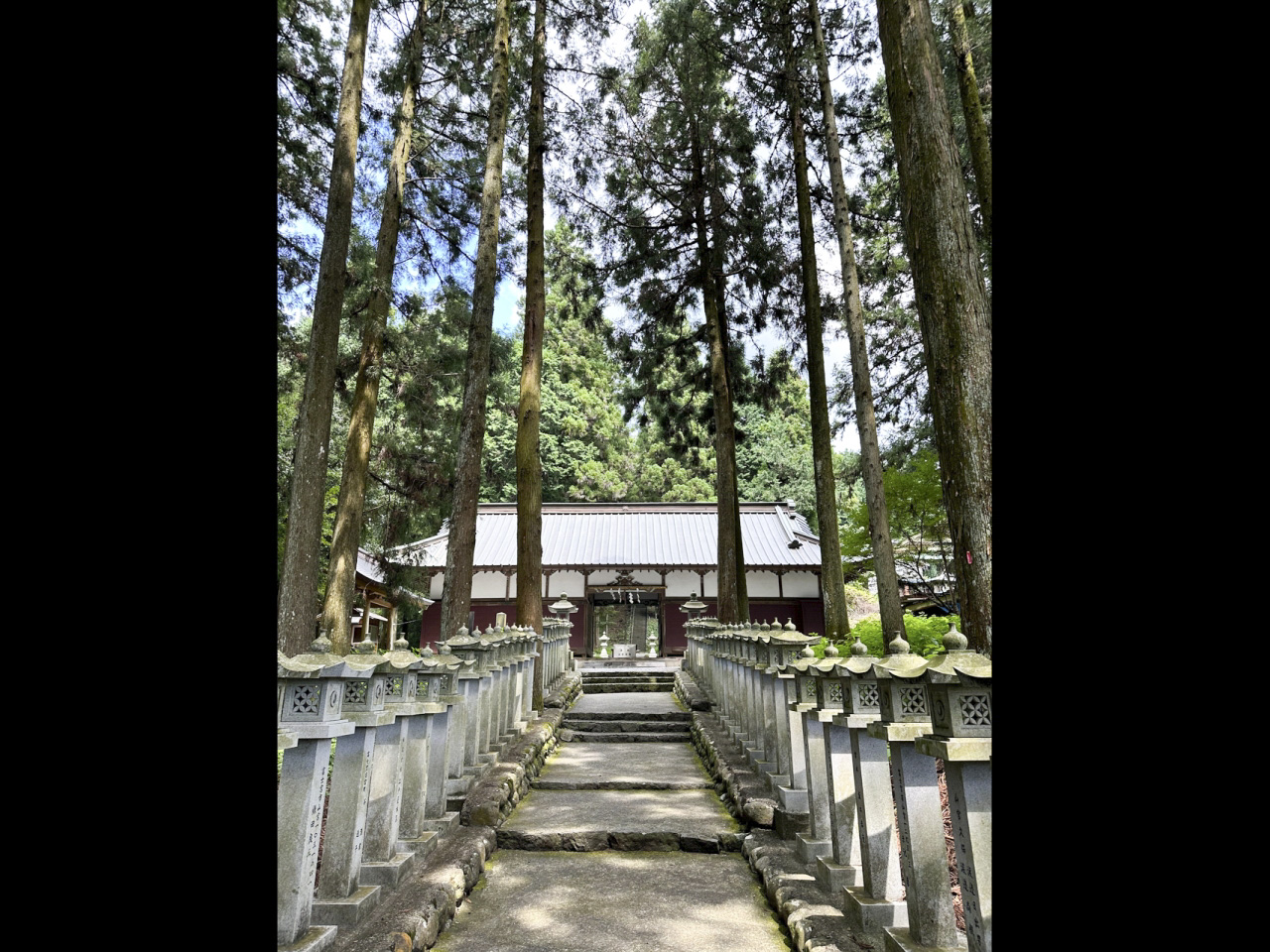
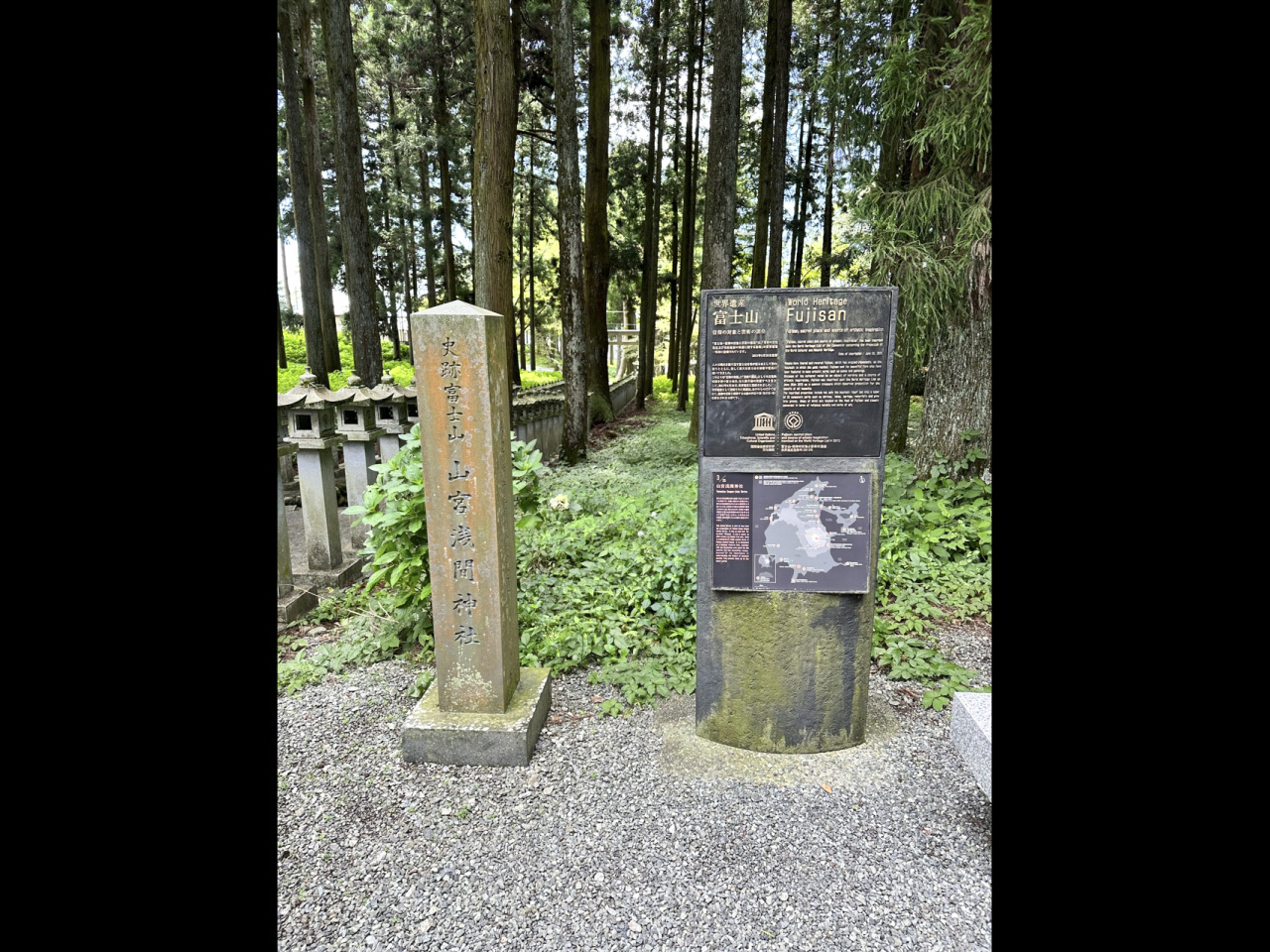
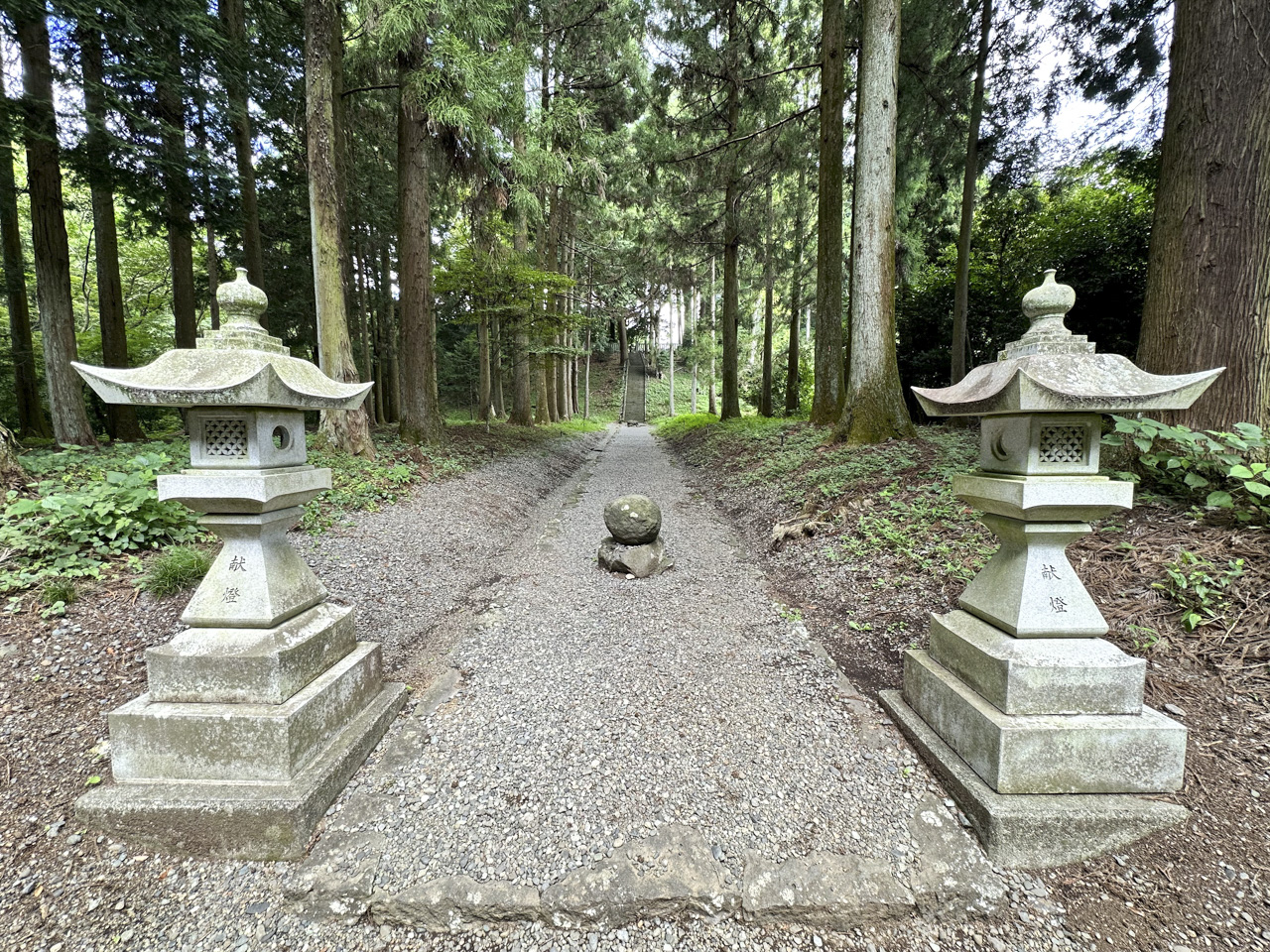
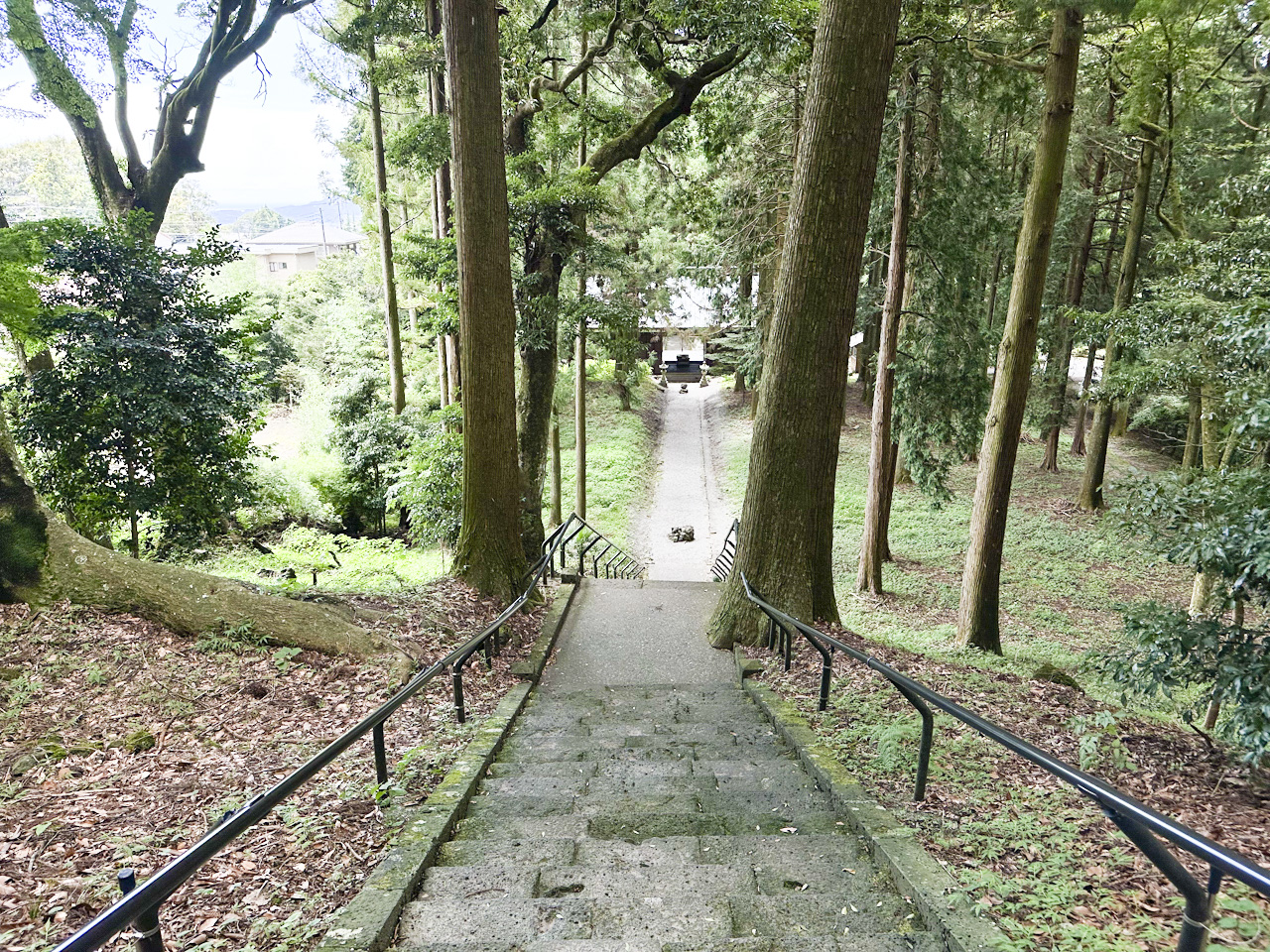
One of the Mt.Fuji World Cultural Heritage Assets. Being the origin shrine of the Fujisan Hongu Sengen Taisha Shrine with a history of over 1900 years, it preserves the ancient tradition of Fuji worship: no main hall and people pray to Mt.Fuji from the Yohai Area. It is also said to have been relocated to this place by the command of a Japanese warrior. Shrine Open: Everyday, free admission. Information Center Open: Weekends and holidays 10:00–15:00. Parking: 〇
6
min
Murayama Sengen Shrine
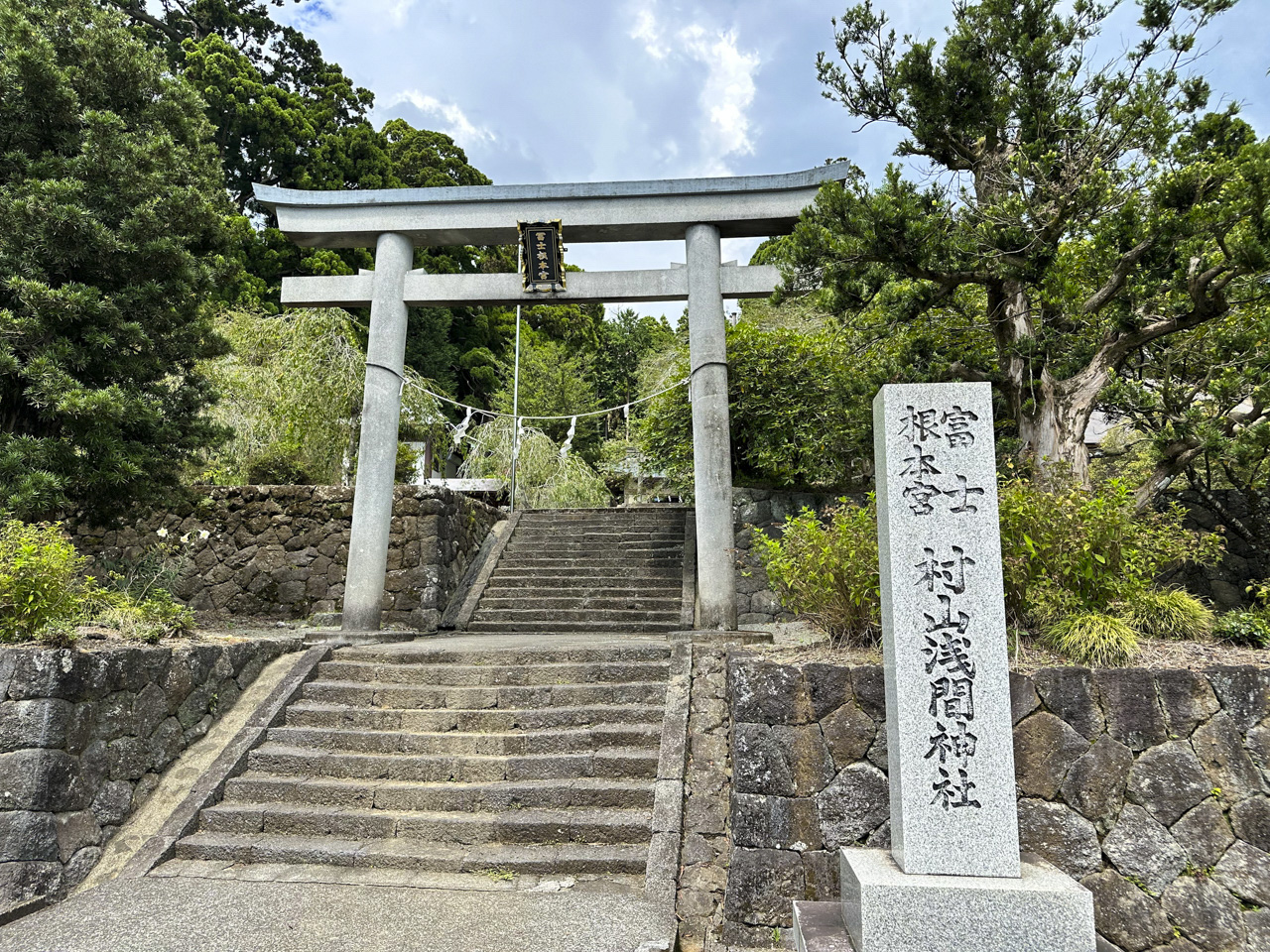
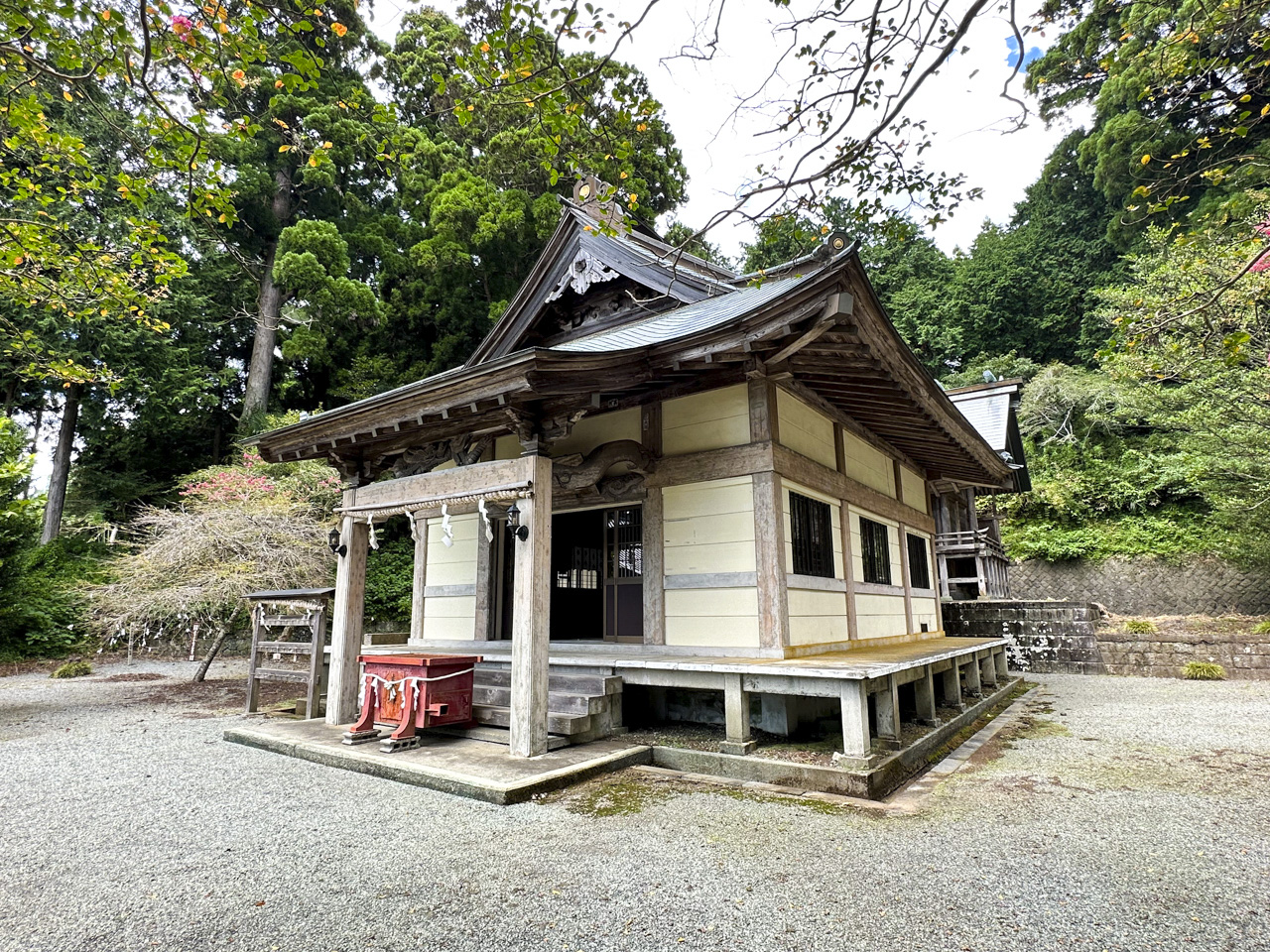
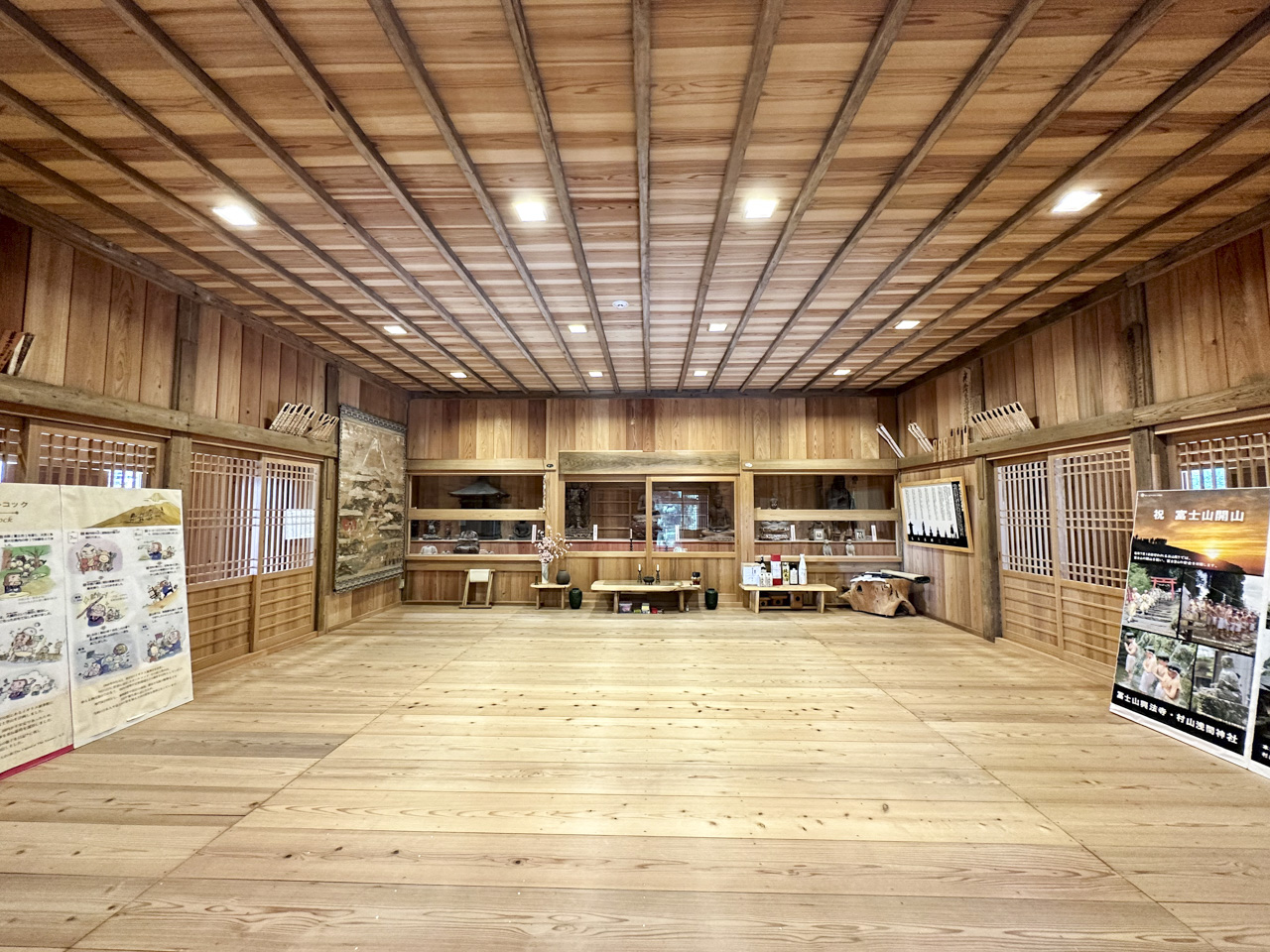
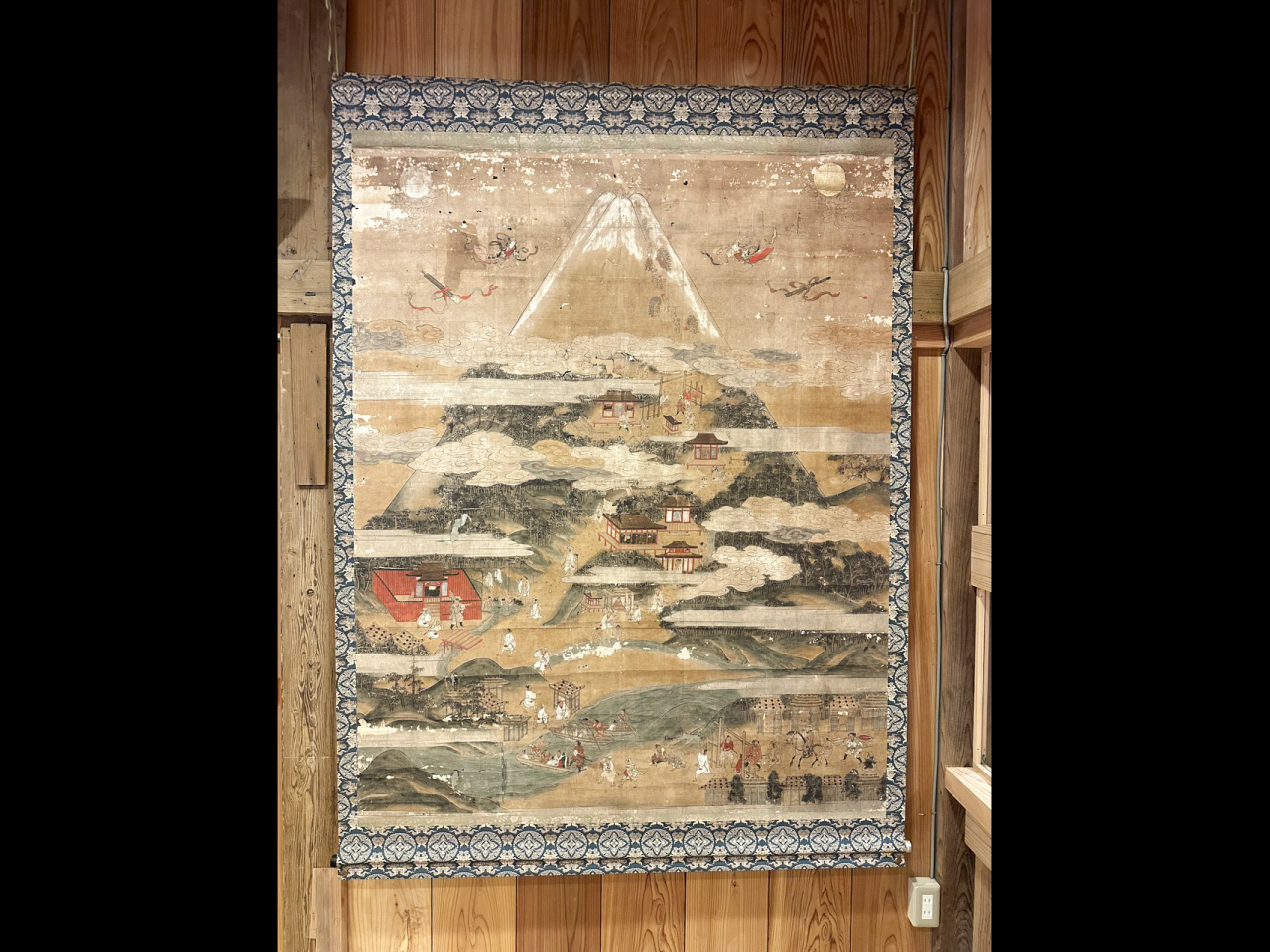
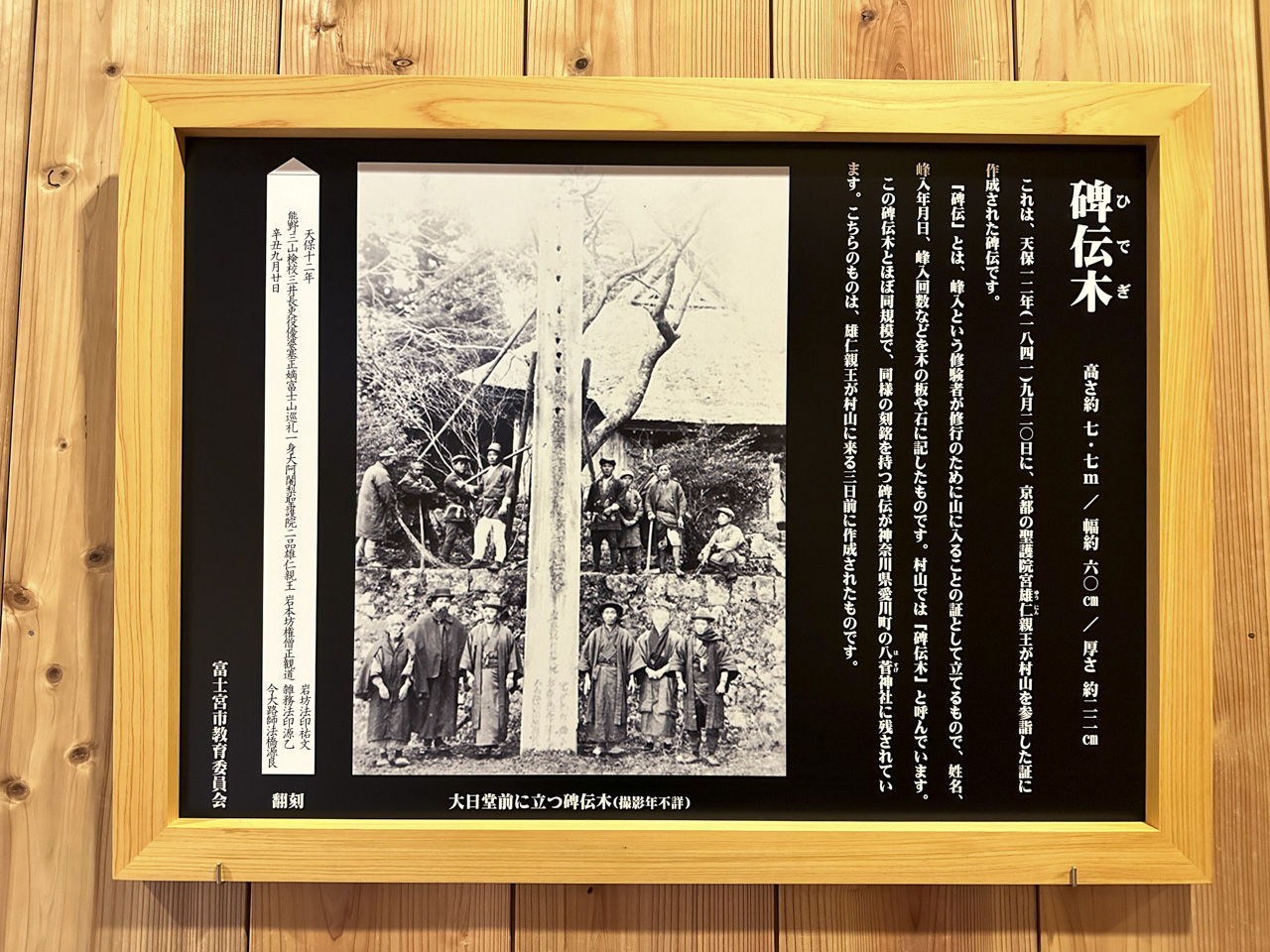
One of the Mt.Fuji World Cultural Heritage Assets. A place of ascetic practices for Fuji worshippers, once the base for the Old Mountain Trail. Within its grounds stands the Dainichido Hall which was passed down from the time when Shugendo practitioners integrated Shinto and Buddhist practices. It also features large cedar and ginkgo trees designated as natural monuments by Shizuoka Prefecture. Shrine Open: Everyday, free admission. Information Center Open: Weekends and holidays 10:00–15:00. Parking: 〇
26
min
JR Shin-Fuji Station
Shin-Fuji Station is located in Kawanarijima, Fuji City, Shizuoka, serving as a station for JR Tokaido-Sanyo Shinkansen. Positioned just south of Mt.Fuji, it offers a panoramic view of the mountain. Operating hours: 6:10–23:20 (Ticket office)